Food is never just fuel. It is comfort, energy, memory, and emotion. Some days you wake up feeling calm and focused. Other days you feel anxious, tired, low, or overwhelmed for no clear reason. What many people don’t realize is that mood and food are deeply connected. The way you eat directly affects how you feel, and the way you feel often decides what you crave.
A mood based diet plan is not about strict rules or cutting out foods. It is about understanding emotional needs and supporting them with the right kind of nourishment. When food matches your mood, eating feels natural, balanced, and satisfying instead of stressful or confusing.
At Mood to Meal, food is seen as emotional care, not punishment. A mood based diet plan helps you eat with awareness, kindness, and balance.
What Is a Mood Based Diet Plan?
A mood based diet plan focuses on eating foods that support your emotional and mental state. Instead of following one rigid meal plan every day, this approach adapts to how you feel.
When you are anxious, your body needs grounding and calming foods.
When you are tired, it needs steady energy.
When you feel low, it needs warmth and emotional comfort.
When you feel stressed, it needs balance and stability.
This way of eating reduces emotional eating, stress eating, and food guilt. It helps build a healthy relationship with food by listening to the body rather than fighting it.
Why Mood Based Eating Works
Mood based eating works because it respects human biology. Emotions affect digestion, hormones, appetite, and cravings. Ignoring emotions while eating often leads to overeating or restriction.
When you eat according to your mood:
- Digestion improves
- Cravings reduce naturally
- Energy becomes more stable
- Emotional eating decreases
- Food guilt slowly disappears
A mood based diet plan supports both mental health and physical well-being.
The Connection Between Mood and Food
Food influences mood through blood sugar, gut health, and neurotransmitters like serotonin and dopamine. Skipping meals, eating ultra-processed foods, or extreme dieting can increase anxiety and low mood.
Balanced meals with warm carbohydrates, healthy fats, and gentle proteins help regulate emotions. This is why traditional comfort foods often feel calming when eaten mindfully.
Mood food is not junk food. It is nourishing comfort food chosen with intention.
Mood Based Diet Plan for Different Emotional States
When You Feel Anxious or Overwhelmed
Anxiety increases tension in the body and disrupts digestion. During anxious moments, your body needs grounding foods that feel warm and gentle.
Best food choices include:
Avoid skipping meals or eating too much caffeine when anxious. Eating regularly helps calm the nervous system.
This is a key part of a healthy mood based diet plan.
When You Feel Tired or Low on Energy
Fatigue often comes from unstable blood sugar or lack of nourishment. Instead of reaching for sugary snacks, choose balanced comfort meals.
Supportive foods include:
These foods provide slow energy and prevent crashes. Eating for mood means feeding energy gently, not forcing stimulation.
When You Feel Low or Emotionally Heavy
Low mood often brings cravings for comfort food. This is not wrong. The body is asking for warmth and emotional safety.
Healthy comfort food options:
- Creamy soups
- Soft rice bowls
- Mashed vegetables
- Slow-cooked meals
- Warm grains
A mood based diet plan allows comfort without guilt. Food becomes support, not escape.
When You Feel Stressed or Mentally Busy
Stress affects appetite in different ways. Some people overeat, others lose hunger completely. The goal is gentle balance.
Stress-supporting foods include:
Mindful eating during stress reduces emotional eating and improves digestion.
Mood Based Eating vs Traditional Dieting
Traditional diets focus on control. Mood based eating focuses on care.
Diets often:
- Ignore emotions
- Create food guilt
- Increase cravings
- Feel restrictive
A mood based diet plan:
- Listens to emotional signals
- Encourages mindful eating
- Reduces stress eating
- Feels sustainable
This approach builds long-term balance instead of short-term results.
How to Start a Mood Based Diet Plan
Start by noticing patterns. Ask yourself simple questions:
- How do I feel before I eat?
- How do I feel after I eat?
- Do certain foods calm me or drain me?
There is no perfect answer. Awareness itself is progress.
Create meals that feel warm, balanced, and satisfying. Eat regularly. Avoid extreme restriction. Let food support your mood.
For structured guidance, you can explore detailed mood-based diet resources at
👉 https://diet.moodtomeal.com
This platform focuses on emotional balance, healthy comfort food, and realistic meal planning.
The Role of Mindful Eating in Mood Based Diets
Mindful eating is essential in a mood based diet plan. Eating slowly, without distraction, allows the body to recognize fullness and satisfaction.
Mindful eating helps:
- Reduce overeating
- Improve digestion
- Lower food guilt
- Strengthen emotional awareness
When you eat calmly, comfort food becomes nourishing instead of heavy.
Comfort Food Has a Place in a Mood Based Diet
Comfort food is not the enemy. The way it is eaten matters more than the food itself.
Balanced comfort meals include:
- Warm grains
- Soft vegetables
- Healthy fats
- Gentle proteins
These meals calm the nervous system and support emotional regulation. Comfort food without guilt is a core principle of mood based eating.
Mood Based Diet and Long-Term Wellness
A mood based diet plan supports:
- Emotional stability
- Healthy digestion
- Sustainable eating habits
- Positive food relationship
Instead of chasing perfect eating, this approach builds trust with your body.
When food feels safe, cravings lose power.
Final Thoughts: Eating With Emotion, Not Against It
Food and mood are deeply connected. Ignoring emotions leads to confusion and guilt. Listening to them brings balance and peace.
A mood based diet plan is not about rules. It is about respect. Respect for your body, your emotions, and your daily reality.
At Mood to Meal, eating is emotional care. When food matches your mood, eating feels calm, satisfying, and natural.
For deeper guidance, personalized plans, and mood-focused nutrition support, visit
👉 https://diet.moodtomeal.com
Eat with your mood, not against it.
That is the heart of a true mood based diet plan.
Author

Related Posts
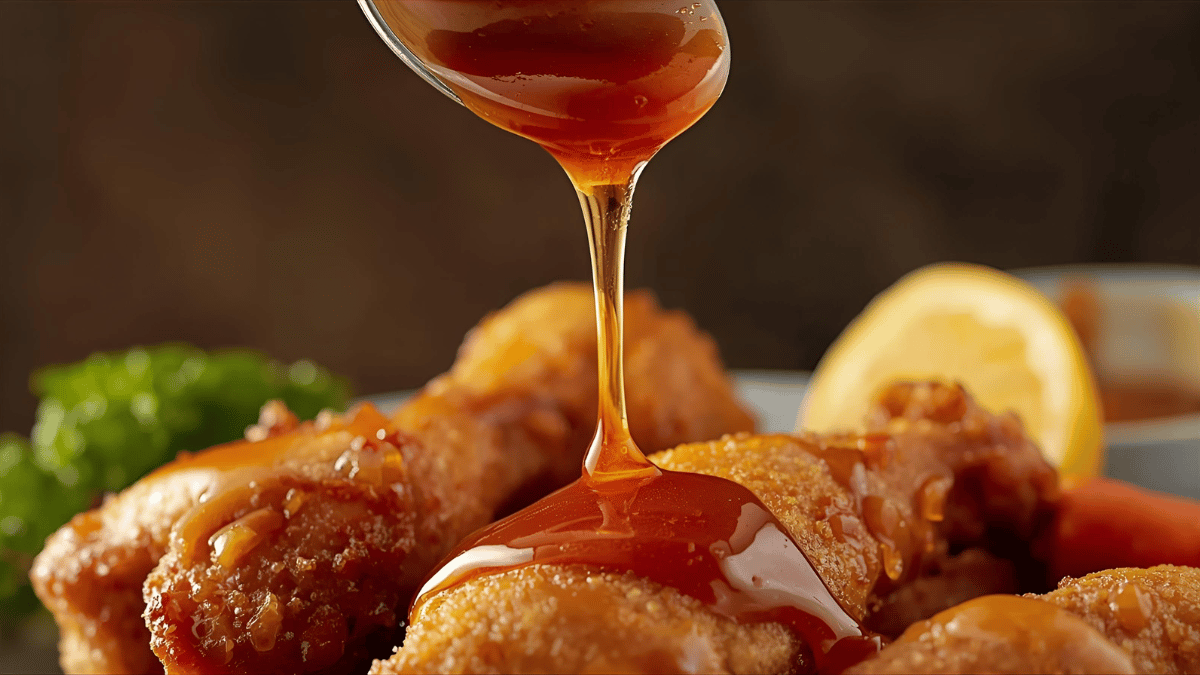
🍯 Hot Honey Sauce Recipe — Sweet, Spicy & Irresistible
There’s something magical about the combination of sweet honey and…

Calm Baked Tortilla Cups with Melted Cheese – A Gentle, Balanced Comfort Recipe for Quiet Days
I didn’t start the day thinking about food. It was…
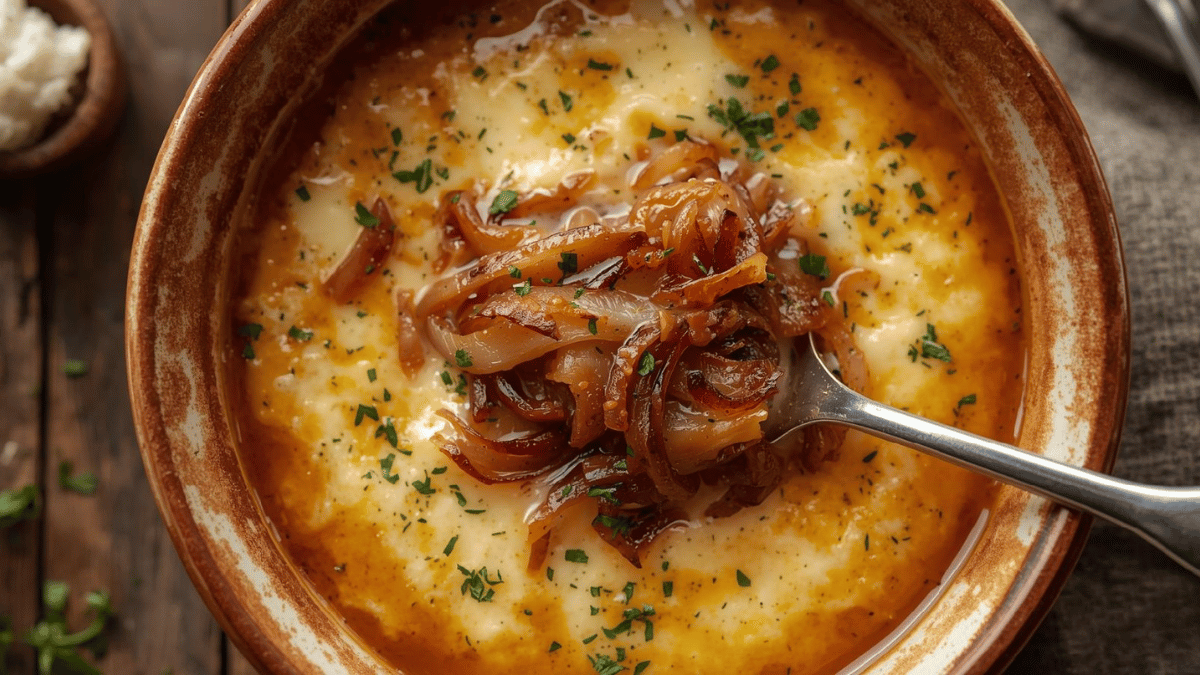
Classic Cheesy French Onion Soup Recipe for Comfort & Cozy Moods
There are evenings when even deciding what to eat feels…