Some days, food is just food.
And some days, food is everything.
It’s the warm meal you crave after a long, heavy day.
The late-night snack you reach for when the house is quiet but your thoughts are loud.
The sweet bite that reminds you of safety, care, or a simpler time.
On Mood to Meal, we don’t pretend food is only fuel. Food is emotion. Food is memory. Food is comfort. And learning how to eat in a way that respects your mood can completely change your relationship with yourself.
This is not a diet.
This is not a list of rules.
This is a gentle, mood-based way of eating — created for real people living real lives.
Why Mood Matters More Than Calories
Most food advice ignores one important truth: how you feel shapes how you eat.
When you’re stressed, your body looks for relief.
When you’re sad, it looks for comfort.
When you’re anxious, it looks for grounding.
When you’re tired, it looks for ease.
If we ignore these emotional needs, eating becomes confusing and frustrating. You might eat “healthy” foods but still feel unsatisfied. Or you might overeat comfort foods and feel guilty afterward.
Mood-based eating starts with one simple idea:
Your emotions deserve care, not control.
When you listen to your mood first, food choices become softer, smarter, and more supportive.
Emotional Hunger Is Not a Problem — It’s a Message
There’s a lot of shame around emotional eating. People are told to stop it, fight it, or fix it.
But emotional hunger is not a mistake. It’s communication.
It might be telling you:
- You’re overwhelmed
- You’re lonely
- You’re mentally exhausted
- You need comfort
- You need rest
Food often becomes the easiest way to answer those needs because it’s familiar and available. And that makes sense.
The goal is not to stop emotional eating forever.
The goal is to respond to emotional hunger with awareness and care instead of guilt.
Learning to Pause Without Pressure
One of the most powerful mood-based habits is learning to pause — not to stop eating, but to check in.
Before you eat, ask gently: “How am I feeling right now?”
You don’t need to analyze it deeply. Just noticing your mood can change how you eat. You might still choose the same food, but you’ll eat it with more presence and less shame.
This pause builds trust between you and your body. And trust is the foundation of a healthy relationship with food.
Comfort Food Can Be Healing When Chosen With Intention
Comfort food is often blamed for unhealthy habits, but comfort itself is not the enemy.
Warm, familiar foods calm the nervous system. They remind us of safety and care. When eaten mindfully, comfort foods can actually reduce emotional overeating instead of increasing it.
The key is intention, not restriction.
Eating comfort food slowly, without distraction, and without guilt allows satisfaction to settle in. When satisfaction is present, the urge to keep eating fades naturally.
On Mood to Meal, we believe comfort food belongs — especially when emotions are heavy.
Eating for Different Moods: A Gentle Guide
When You Feel Anxious or Restless
Anxiety makes the body feel unsafe. Soft, warm, grounding foods help calm the nervous system. Simple meals, warm drinks, soups, rice, oats, and bananas can bring a sense of ease.
When You Feel Low or Sad
Low moods often need nourishment that feels steady and supportive. Foods that provide energy without overstimulation help you feel more balanced and cared for.
When You Feel Stressed and Overwhelmed
Stress makes decision-making harder. Simple, familiar meals reduce pressure. This is not the time for complicated cooking or strict food rules.
When You Feel Tired and Drained
Fatigue increases cravings because the body needs fuel. Regular meals and gentle nourishment help prevent emotional snacking later.
Mood-based eating isn’t about perfection. It’s about choosing foods that meet you where you are.
Why Skipping Meals Makes Emotions Stronger
Many people struggle with emotional eating because they are not eating enough during the day.
When meals are skipped:
- Blood sugar drops
- Emotions feel more intense
- Cravings become urgent
- Food feels harder to control
Regular meals create safety in the body. A body that feels safe does not panic around food.
One of the simplest mood-based solutions is consistency — eating before hunger becomes overwhelming.
Food Is One Comfort — Not the Only One
Food can support emotions, but it cannot carry everything.
Sometimes emotional eating is really a sign that you need:
- Rest
- Quiet
- Expression
- Connection
- Relief from pressure
Adding small non-food comforts to your routine can ease emotional urges naturally. A warm drink, a short walk, gentle stretching, or simply sitting quietly can make a big difference.
You don’t need to remove food as comfort.
You just need to expand your comfort options.
Late-Night Eating and Quiet Emotions
Late-night eating is often misunderstood. It’s rarely about lack of control.
Nighttime is when distractions fade and emotions rise. Food feels like company. It fills the quiet.
Instead of judging late-night eating, ask: “What am I needing right now?”
Sometimes the answer is a snack. Sometimes it’s rest. Sometimes it’s emotional release. Responding kindly reduces the cycle of guilt and overeating.
Creating a Calm Food Environment
Your surroundings influence how you eat more than willpower ever will.
A supportive food environment includes:
- Easy, nourishing meals
- Comfort foods without guilt
- Less pressure to eat perfectly
- Space to enjoy food
When food feels safe and available, emotional eating becomes less intense.
The Way You Speak to Yourself Matters
The voice inside your head shapes your eating habits.
Harsh thoughts increase stress. Stress increases emotional eating.
Gentle thoughts create safety: “I had a hard day.” “I’m allowed to take care of myself.” “I can choose again at the next meal.”
Self-compassion is not indulgence.
It’s regulation.
Healing Your Relationship With Food Takes Time
There is no finish line. No perfect way to eat.
Some days will feel balanced. Some days won’t. Healing is not about never eating emotionally — it’s about understanding yourself better over time.
Progress looks like:
- Less guilt
- More awareness
- Softer choices
- More trust in your body
And that progress is enough.
What Mood to Meal Truly Stands For
Mood to Meal is not about fixing yourself.
It’s about honoring your feelings, nourishing your body, and finding peace with food in a world that often feels overwhelming.
When you listen to your mood, food becomes supportive instead of stressful.
When you eat with care, emotions feel less heavy.
When food and feelings work together, healing begins naturally.
You don’t need control.
You need connection.
And that connection starts right here — one mindful, mood-based meal at a time.
Author
Related Posts

The Secret to a Perfectly Juicy Roast Chicken (No Store-Bought Needed)
There is a very specific, homey smell that fills the…

Easy Sloppy Joe Recipe (3 Ingredients with Ketchup) – Simple & Delicious
There are nights when you don’t want to chop vegetables,…
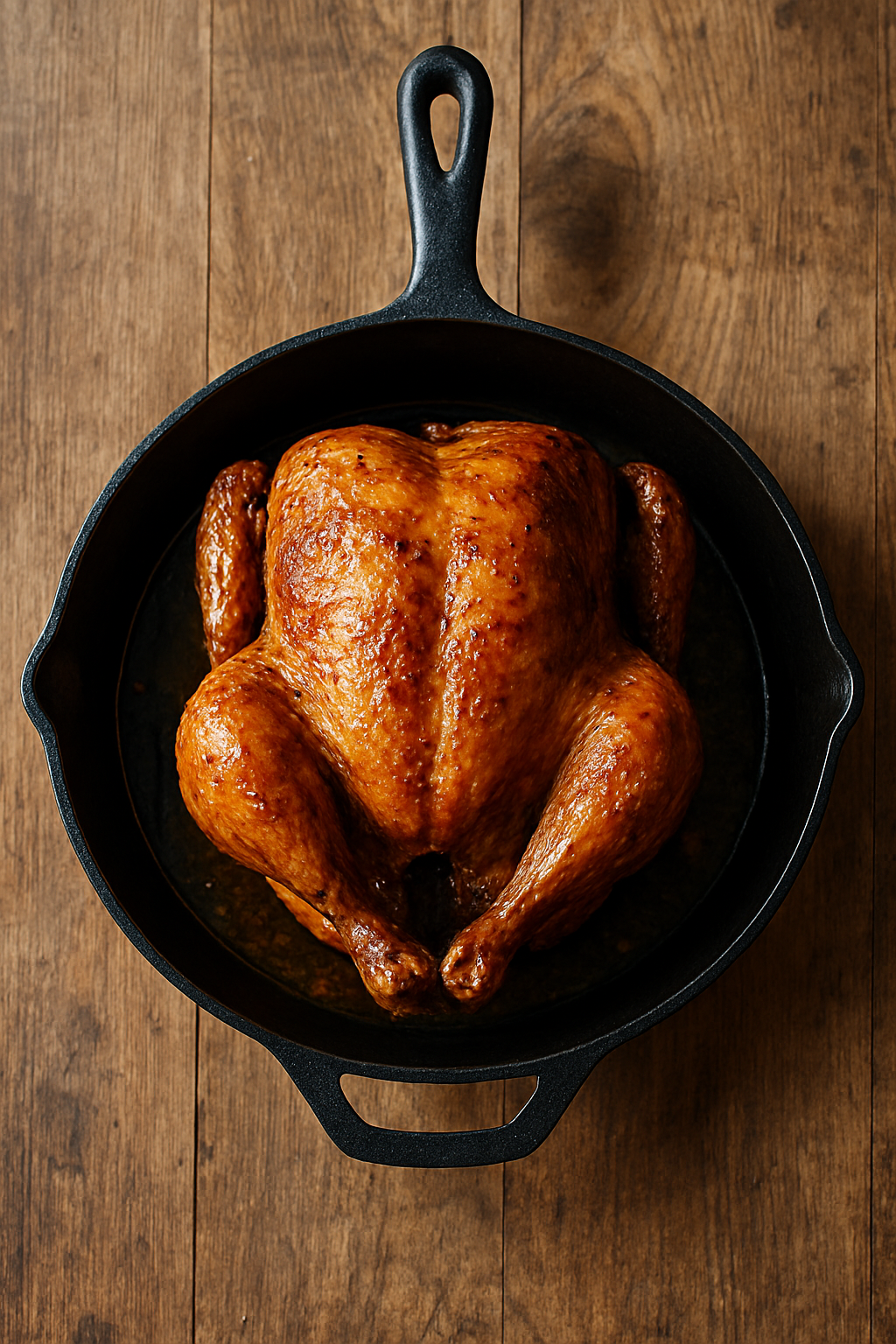
The Sunday Night Roast Chicken Strategy
Why Roast Chicken is the Ultimate DinnerIf there is one…