There is a particular kind of hunger that shows up at the end of a long day.
It isn’t sharp. It isn’t exciting. It doesn’t come with cravings or plans.
It’s the kind of hunger that exists alongside mental fatigue — when you know you should eat, but the idea of cooking feels heavier than the hunger itself.
This is the version of Pad Thai I return to on those evenings. Not the restaurant version. Not the dramatic, street-food-style plate piled high with intensity. This one is quieter. It’s built around ease, balance, and familiarity — food that fills the space without demanding attention.
Pad Thai, when stripped back to its essentials, can be one of the most accommodating meals you can make when your energy is low.
Understanding Why Low-Energy Evenings Feel So Difficult
By evening, the body and mind are rarely aligned. The body may still need fuel, but the mind is already done with decision-making.
Most people don’t struggle with hunger at night — they struggle with effort. Choosing what to cook, gathering ingredients, timing things correctly, standing at the stove — these steps feel manageable earlier in the day and exhausting later.
Meals that work in the evening tend to share a few qualities:
- They cook quickly
- They don’t punish small mistakes
- They rely on familiar flavors
- They don’t leave you overly full
Pad Thai fits these requirements naturally when you allow it to be simple.
Why Pad Thai Works Better Than Many Other Dinners
Pad Thai is forgiving by design. Rice noodles soften without much resistance. Most ingredients cook at similar speeds. The sauce comes together without long reductions or exact measurements.
Unlike baked dishes or slow braises, Pad Thai doesn’t require commitment. If you need to stop halfway through, nothing is ruined. If you adjust something on the fly, it still works.
That flexibility matters on days when your energy is unpredictable.
This isn’t a dish that demands confidence. It adapts to the level of care you can give it.
Choosing Ingredients Based on Energy, Not Ideals
When energy is low, ingredient choice should reduce friction, not increase it.
Rice noodles as the foundation
Wide or medium rice noodles are ideal here. They soften easily and don’t need boiling if soaked properly. They also hold warmth well, which makes the meal feel more satisfying without heaviness.
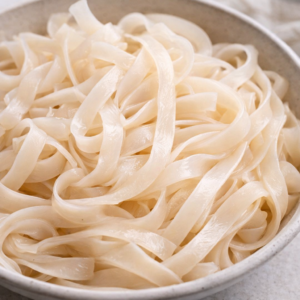
They’re neutral, familiar, and reliable — qualities that matter more than novelty on tired days.
Protein that doesn’t complicate things
Chicken, tofu, or shrimp all work well, but the key is not variety — it’s simplicity.
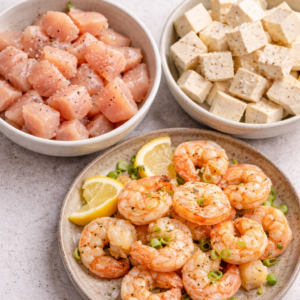
Choose what’s already available. Avoid marinating, brining, or pre-seasoning. Salt and gentle heat are enough. The goal is nourishment, not performance.
Vegetables that cook quickly and stay gentle
Bell peppers, baby corn, green onions, or snap peas add texture without requiring careful prep. They soften quickly and don’t overpower the dish.
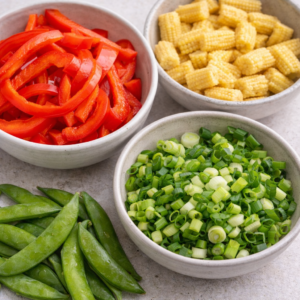
Avoid vegetables that need long cooking times or aggressive seasoning. Low-energy cooking benefits from predictability.
A balanced sauce, not a bold one
The sauce should taste rounded, not sharp. Tamarind adds depth, sweetness softens edges, and salt anchors everything.
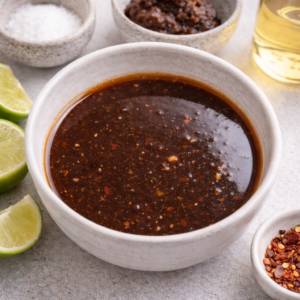
If one flavor dominates, the dish becomes tiring to eat. Balance keeps the meal calming.
Preparing the Dish Without Creating Stress
Preparation matters more than speed.
Start by soaking the noodles in warm water until they loosen and bend easily. This step doesn’t require precision. If they soak a little longer, they’ll still be fine.
Cut vegetables simply. Uniformity is unnecessary. Consistency matters less than ease.
Protein should be sliced in manageable pieces. Smaller pieces cook faster and reduce the chance of overcooking, which helps preserve tenderness.
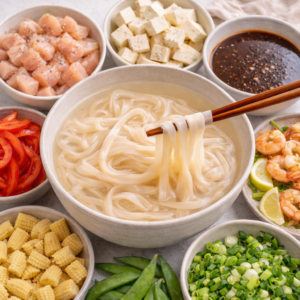
Once everything is ready, the actual cooking moves quickly — and that’s intentional.
Cooking Pad Thai at a Pace That Matches Your Energy
Begin with gentle heat. High heat creates urgency. Medium heat allows control.
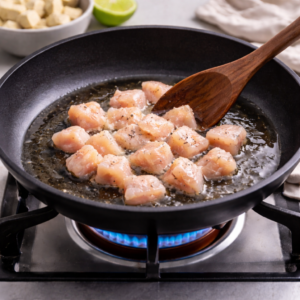
Cook the protein first and remove it from the pan once just cooked. Letting it rest prevents dryness and removes pressure from timing later.
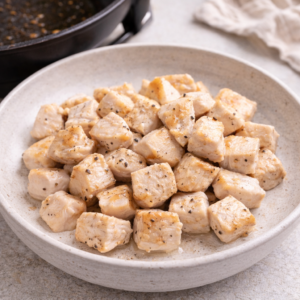
Vegetables come next. A short sauté is enough. This is not about caramelization or depth — it’s about softening.
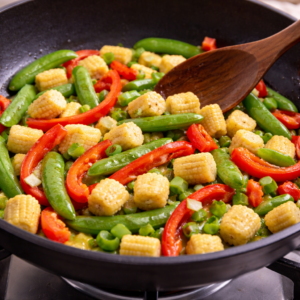
Add the noodles and sauce together. This is where the dish becomes itself. Toss slowly. Let the heat work gradually. Resist the urge to rush or over-stir.
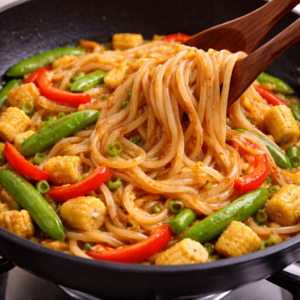
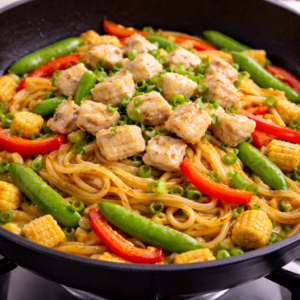
When the noodles relax and absorb the sauce, the dish is ready. Return the protein, add green onions, and stop cooking earlier than instinct suggests. Overcooking creates heaviness.
Eating Without Rushing the Experience
How you eat matters as much as what you eat on low-energy evenings.
This is not a meal to eat standing or distracted. Sitting down allows the body to recognize fullness and comfort.
The first few bites should feel grounding. The flavors shouldn’t spike your appetite or demand more attention. Ideally, the dish leaves you satisfied without lingering heaviness.
Many people notice they don’t need dessert after a meal like this — not because they’re restricting themselves, but because the meal actually met their needs.
Emotional Comfort Without Overindulgence
Comfort food is often misunderstood as excess. In reality, comfort comes from familiarity and steadiness, not quantity.
This Pad Thai doesn’t overwhelm. It doesn’t push sweetness or spice. It stays within a range the body recognizes as safe.
That sense of safety matters when mental energy is low. Food that feels predictable allows the nervous system to relax.
When This Dish Fits Best Into Your Routine
This version of Pad Thai works well:
- After long workdays
- During mentally draining weeks
- When decision fatigue is high
- When appetite feels quiet but persistent
It’s especially helpful when you want a proper meal but don’t want leftovers or commitment.
Adjusting the Dish Without Adding Complexity
On higher-energy days, you can adjust slightly — add herbs, a squeeze of lime, or a handful of peanuts. But the base version should stand on its own.
On very low-energy days, even fewer ingredients work. Noodles, protein, sauce. That’s enough.
The dish scales with you, which is part of its strength.
A Realistic Perspective on “Healthy” Evening Meals
Health at night is not about restriction. It’s about digestion, comfort, and sleep quality.
Meals that are too heavy disrupt rest. Meals that are too light create restlessness. Pad Thai sits in the middle when prepared gently.
It provides carbohydrates for calm, protein for balance, and warmth for comfort — without overstimulation.
Why Mood to Meal Includes Dishes Like This
Mood to Meal isn’t about impressive cooking or aspirational eating. It’s about functional comfort.
This Pad Thai belongs here because it respects limited energy. It doesn’t require motivation. It doesn’t punish mistakes. It supports consistency.
Some meals exist to celebrate.
Others exist to sustain.
This one does the latter.
Closing Thought
Not every dinner needs to feel intentional or meaningful. Sometimes, the most supportive thing food can do is simply exist quietly and do its job.
This Pad Thai doesn’t solve anything. It doesn’t fix the day. It doesn’t promise transformation.
It feeds you.
And on certain evenings, that is more than enough.
Author
Related Posts
Banana and Spinach Smoothie for Mood Balance
Some days don’t ask for complicated meals. They ask for…
Mini Beef Wellington Bites – Mood-Based Comfort Food for Cozy Celebrations
Some recipes are not meant for rushed days. They are…

Homemade Ground Venison Jerky Recipe – Smoky, Flavorful & High-Protein Snack | Mood to Meal
There’s something about the rich, earthy aroma of venison that…