There are days when cooking feels necessary.
And then there are days when it feels optional — almost like a choice you make simply because the space is there.
This cake belongs to the second kind of day.
I didn’t bake it because I needed comfort. I didn’t bake it because I wanted distraction or indulgence. I baked it because the day already felt settled, and I wanted to keep it that way. I wanted something warm in the oven, something slow, something that didn’t ask much of me.
Pineapple upside-down cake does that quietly. It doesn’t interrupt the mood. It doesn’t demand attention. It simply fits.
That’s why it lives so naturally at Mood to Meal.
When Food Isn’t About Fixing Anything
A lot of food writing focuses on solving a problem.
You’re tired. You’re stressed. You’re sad. You’re overwhelmed.
And sometimes that’s real. Sometimes food does help hold you together.
But not every moment needs repair.
Some moments are already okay. Some days don’t need to be brighter, louder, or sweeter. They just need to stay steady.
I think we don’t talk enough about cooking for those moments.
This cake is for those days — when you’re not chasing comfort, just continuity.
Why Pineapple Upside-Down Cake Feels So Grounded
There’s something honest about this cake.
It’s not flashy. It’s not modern. It hasn’t been reinvented a hundred times. It doesn’t rely on decoration or excess. It’s been made the same way, more or less, for decades — and for good reason.
The structure is simple: A caramel base
Fruit placed with intention
A soft, balanced batter
One slow bake
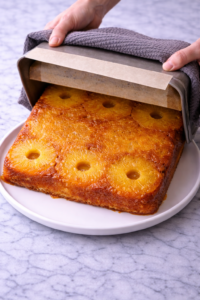
One careful flip
Nothing extra. Nothing rushed.
That kind of structure creates calm.
The Role of Repetition in Cooking
Placing pineapple slices is repetitive work.
And that’s exactly why I enjoy it.
You don’t need to think. You don’t need to decide. You just place one slice, then another, then another. The rhythm settles you.
Cooking like this doesn’t stimulate the brain — it steadies it.
I think that’s part of why this cake feels so supportive on good days. It doesn’t add noise.
The Caramel: Slow, Warm, Unforced
The caramel layer sets the tone for the entire cake.
I don’t rush it. I don’t stir aggressively. I don’t try to deepen the color too fast. Sugar needs time. Butter needs patience.
If you push this part, the cake feels tense. You can taste it later.
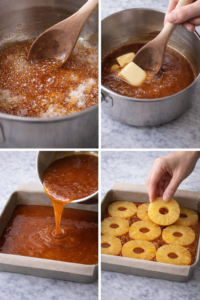
So I let the sugar melt slowly, let it deepen just enough, then fold in the butter and step back.
That moment — stepping back — matters.
Choosing Ingredients That Don’t Compete
I don’t use complicated ingredients here.
This cake doesn’t need them.
The pineapple is the main voice. Everything else supports it quietly.
Butter adds warmth, not richness.
Eggs give structure, not density.
Flour keeps things grounded.
Vanilla softens the edges.
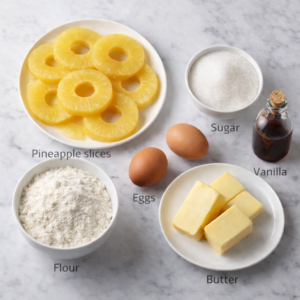
When ingredients don’t compete, the final result feels calmer.
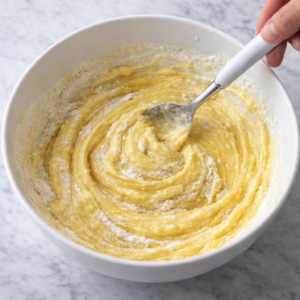
Mixing Without Overworking
I’ve made this cake enough times to know when to stop mixing.
The batter doesn’t need to be perfectly smooth. A few streaks are fine. What matters is restraint.
Overmixing tightens the crumb. And this cake needs openness — not airiness, but space.
That space is what lets the pineapple sit comfortably on top instead of sinking or overpowering.
Baking as a Quiet Interval
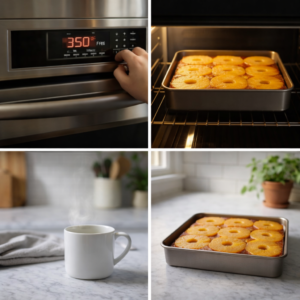
Once the cake goes into the oven, there’s nothing to do.
That’s part of the design.
This isn’t a recipe that pulls you back every five minutes. There’s no glazing mid-bake, no rotating, no checking obsessively.
You let it bake.
The kitchen fills slowly with warmth, not sweetness. The smell isn’t sharp. It doesn’t rush at you. It just stays present.
That kind of background warmth changes the room.
The Importance of Waiting Before the Flip
This is the part people rush — and it shows.
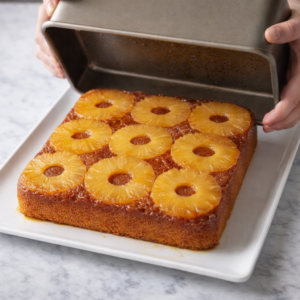
If you flip the cake too early, the caramel slides.
If you wait too long, it sticks.
There’s a window where everything is calm.
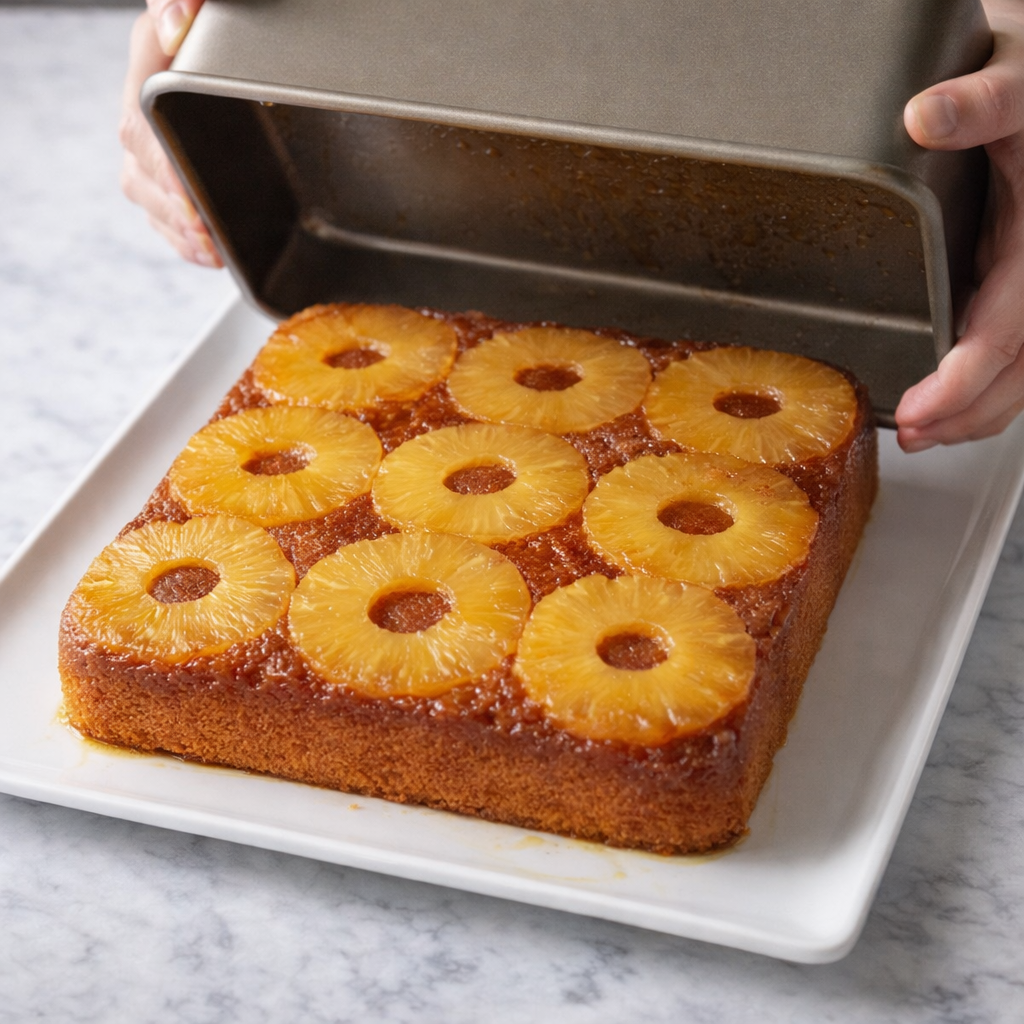
I rest the cake just long enough for the caramel to settle, then flip it cleanly in one motion. No hesitation. No second guessing.
That moment feels decisive, but not stressful.
When it works, the cake comes out exactly as it should — settled, glossy, complete.
Texture Over Sweetness
What I notice most when I eat this cake is the texture.
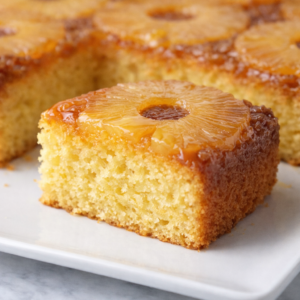
The crumb is soft but structured. It doesn’t crumble. It doesn’t collapse. It holds together gently.
The pineapple is tender and mellow. The acidity has softened. The sweetness feels rounded.
Nothing spikes. Nothing lingers too long.
It’s balanced food — and that balance supports steady moods better than intense flavors ever could.
Eating Without Needing More
I don’t serve this cake with anything.
No cream. No ice cream. No dusting of sugar.
It doesn’t need help.
Sometimes adding more feels like insecurity. This cake doesn’t have that.
A small slice is enough. A quiet bite. A pause.
It doesn’t make you want another slice immediately — and I think that’s a good thing.
Leftovers That Keep Their Mood
The next day, this cake is even calmer.
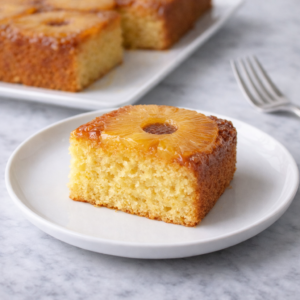
The caramel settles further into the crumb. The pineapple softens. The edges relax.
Reheating doesn’t ruin it. It doesn’t dry out. It doesn’t collapse.
It feels like extending yesterday instead of starting over.
Food that does that always feels intentional to me.
Why This Recipe Fits Mood to Meal
Mood to Meal isn’t about dramatic transformation.
It’s about awareness.
It’s about choosing food that respects how you already feel — whether that feeling is low, quiet, happy, or steady.
This cake belongs here because it doesn’t try to improve the moment. It doesn’t push emotion. It doesn’t perform.
It supports happiness gently.
Cooking Without Pressure
I didn’t bake this cake to post it.
I didn’t bake it to impress anyone.
I didn’t bake it because it was trending.
I baked it because it felt right.
That’s the kind of cooking I want to encourage.
Food doesn’t always need an audience. Sometimes it just needs space.
The Kitchen as a Neutral Place
When I make this cake, the kitchen feels neutral.
Not busy. Not heavy. Not emotionally charged.
Just functional. Calm. Present.
That neutrality matters. It gives your mind room to breathe without needing distraction.
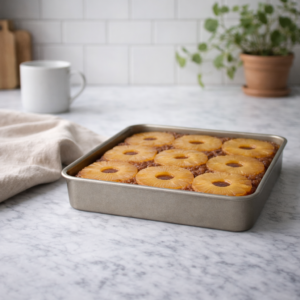
When Simple Becomes Enough
There’s a point in cooking where you stop wanting more.
More sweetness.
More decoration.
More complexity.
This cake lives past that point.
It’s complete as it is.
The Kind of Dessert That Respects the Day
Some desserts take over the moment.
This one stays with it.
It doesn’t pull attention away from conversation. It doesn’t demand a reaction. It doesn’t end the meal with intensity.
It closes things gently.
Baking as Continuity, Not Escape
I think a lot about why I cook.
Sometimes it’s escape. Sometimes it’s care. Sometimes it’s creativity.
But sometimes it’s continuity — doing something familiar to keep a good rhythm going.
This cake is continuity food.
Ingredients
Method
- Prepare the pan
- Melt sugar slowly in a saucepan until it turns amber. Add butter and stir gently until smooth. Pour the caramel into a lined or greased pan. Arrange pineapple slices evenly on top. Take your time here.
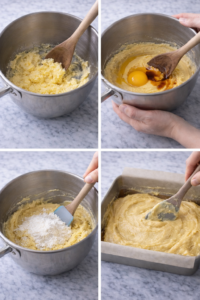
- Mix the batter
- Cream butter and sugar until soft, not fluffy. Add eggs one at a time, then vanilla. Mix gently.
- Fold in flour, baking powder, and salt just until combined. A few streaks are fine. Stop early. Restraint matters.
- Bake
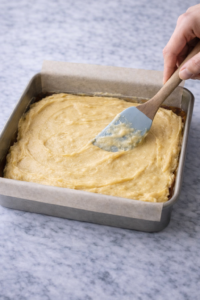
- Pour the batter over the pineapple layer and smooth lightly.
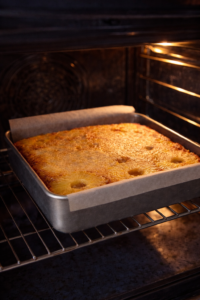
- Bake in a preheated oven at 170°C / 340°F until set and golden.
- Do not open the oven. Let the cake do its work.
- Rest and flip
- Remove from oven and let the cake rest briefly.
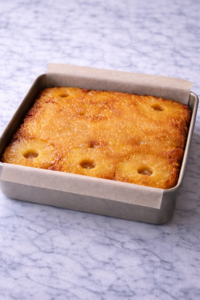
- When the caramel has settled but is still warm, flip the cake in one clean motion. No hesitation.
Notes
Final Thought
Not every recipe needs a story about struggle.
Some recipes exist because the day was already good.
This pineapple upside-down cake is one of them.
It’s warm without being heavy.
Sweet without being sharp.
Comforting without being emotional.
It doesn’t fix anything.
It just stays.
And sometimes, that’s exactly what you want food to do.
Author
Related Posts
🍯 Hot Honey Sauce Recipe — Sweet, Spicy & Irresistible
There’s something magical about the combination of sweet honey and…
Cranberry Orange Sourdough Scones – Easy, Soft, Mood-Boosting Recipe
Some days you wake up ready to run. Other days,…

The Ultimate Comfort: Why Chicken-Fried Steak Hits Just Right
There are some dishes that just speak to your soul,…