

There is a very specific, homey smell that fills the kitchen when a whole chicken is roasting in the oven. It’s that mix of browning butter, fresh herbs, and savory juices that makes you realize why people have been roasting poultry for centuries.
We’ve all grabbed a store-bought rotisserie chicken when we’re in a pinch, but the reality is that those chickens often sit under heat lamps until the skin turns rubbery and the meat dries out. Learning to roast your own chicken at home isn’t just cheaper; it’s a night-and-day difference in flavor and texture. If you’ve ever been intimidated by cooking a whole bird, let’s clear the air: it is remarkably simple.
## Prepping the Foundation
The beauty of this method is that the vegetables act as a roasting rack. They catch all the drippings from the chicken as it cooks, turning into a caramelized, savory side dish by the time the timer goes off.
Start by cutting two large carrots into one-inch pieces. For the potatoes, use about six Yukon Golds or red potatoes. Quarter them, or cut them into sixths if they’re on the larger side. If you have baby potatoes, just leave them whole. Chop a medium onion into one-inch chunks—don't go too small, or they’ll disintegrate before the chicken is done.
The secret weapon here is a whole head of garlic. Cut it right through the equator, parallel to the base. You don’t need to peel it; just toss one half into the bowl with your vegetables and save the other half for the inside of the bird. Toss the veggies with two sprigs of fresh rosemary, a tablespoon of olive oil, and a pinch of salt and pepper.
## Preparing the Bird
When you buy a five-and-a-half-pound chicken, check the cavity to ensure the gizzards are removed. Some people use them for gravy, but if they aren't your thing, feel free to discard them.
The most important step for crispy skin is dryness. Use paper towels to pat the chicken thoroughly dry, both inside and out. If the skin is wet, it will steam rather than crisp up in the oven.
Place the chicken in your roasting pan, breast-side up. Season the inside of the cavity with a half-teaspoon of salt and a quarter-teaspoon of pepper. Now, stuff the cavity with your half-head of garlic, the lemon you’ve halved, and two more sprigs of fresh rosemary. These aromatics will steam the meat from the inside out, infusing the chicken with subtle, bright notes that store-bought versions simply lack.
## The Butter and Salt Secret
Brush the entire exterior of the bird with two tablespoons of melted unsalted butter. While the skin is still tacky with butter, sprinkle it generously with two teaspoons of salt and a half-teaspoon of pepper.
Yes, it sounds like a lot of salt, but this is a large bird. That salt is the engine behind the crispy, golden-brown skin everyone fights over. Don’t forget to flip the chicken and season the backside, too—the dark meat on the underside needs just as much love.
Scatter your prepared vegetables around the base of the chicken. Tuck the wings behind the breast to prevent them from burning, and if you want it to look extra polished, tie the legs together with kitchen string.
## The Roast
Place your oven rack in the lower third of the oven to ensure even heat circulation. Roast at 425°F for about 80 to 90 minutes.
If you have an oven-safe thermometer, place it in the thickest part of the thigh. You are looking for an internal temperature of 165°F. If you notice the breast skin getting too dark before the thigh is cooked, fold a piece of foil into a triangle and place it over the breast to shield it from the direct heat.
## The Final Rest
Once the chicken hits temperature, transfer it to a platter. This is the hardest part: you must let the bird rest for at least 15 minutes.
If you cut into it immediately, the juices will run out onto the cutting board, leaving the meat dry. If you want to keep the skin as crispy as possible, avoid covering the bird tightly with foil, as the trapped steam will soften that perfect crust.
When you finally slice into it, you’ll find the meat is moist, the skin is salty and crisp, and the vegetables are tender and rich with flavor. It is a show-stopping meal that feels fancy enough for a holiday but is easy enough for a random Tuesday.
***
Frequently Asked Questions
Do I have to use a roasting rack?
Not at all. In this recipe, the vegetables act as a natural rack. They keep the chicken slightly elevated while soaking up the flavorful drippings, which is a much better use of space than a metal rack.
Why does my chicken skin turn out soggy?
The most common culprit is moisture. If you don't pat the chicken bone-dry with paper towels before adding the butter and salt, the skin will steam instead of roast. Also, avoid tenting the finished chicken with foil if you want to preserve that crunch.
Can I substitute dried herbs for fresh rosemary?
You can, but use less. Dried herbs are more concentrated. Use about half the amount of dried rosemary, but keep in mind that fresh herbs provide a much brighter, aromatic finish that really complements the lemon inside the bird.
How do I know when the chicken is truly done?
While timing is a good guideline, an instant-read thermometer is your best friend. Aim for 165°F in the thickest part of the thigh. If you don't have a thermometer, pierce the thigh with a knife; the juices should run completely clear, not pink.
Related Posts

The Muffin Mood: Why We Crave Them and How to Bake the Perfect Batch
Why We Reach for a MuffinWe have all been there.…

Cozy Recipes for Days You Feel Drained | Simple Comfort Meals for Low-Energy Days
There are days when the world feels heavier than usual—days…
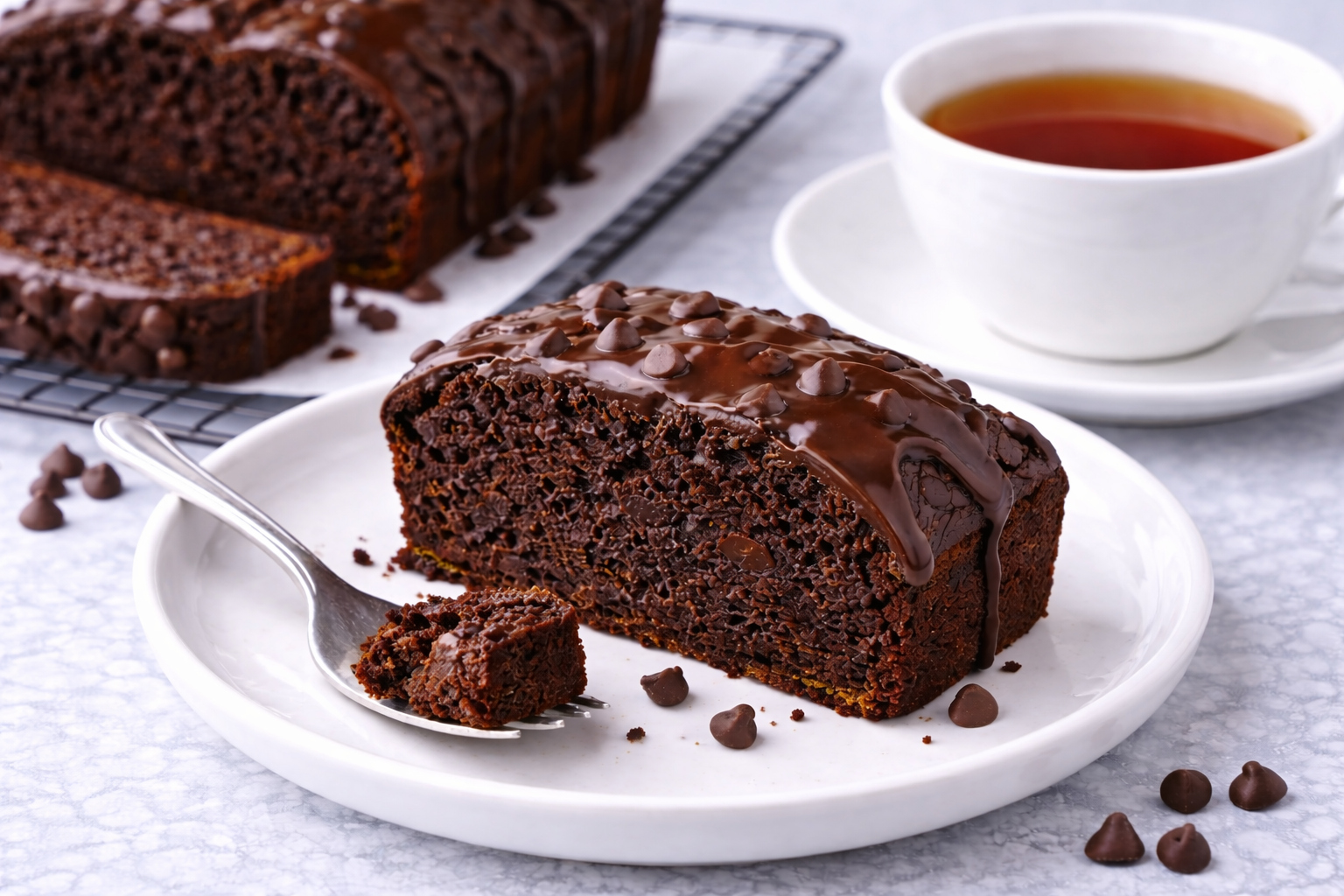
Chocolate Loaf Cake with Chocolate Drip | Moist Homemade Recipe
A Deep, Steady Chocolate Loaf for Slow Days Before I…