
There are evenings, aren’t there? The kind where you’ve been on the go all day, your stomach is rumbling, and the thought of complicated cooking feels like climbing Everest in flip-flops. You want something *real*, something that will actually fill you up and leave you feeling good, not just stuffed. For me, those nights call for a high-protein dinner. It’s not about strict diets or counting macros obsessively; it’s about understanding that protein is our friend when it comes to feeling satisfied and energized. It digests slower, helping to keep hunger pangs at bay for longer, which means fewer late-night snack raids!
But high-protein doesn’t have to mean boring. Forget the dry chicken breast every single night (unless that’s your jam, no judgment here!). We’re talking about flavorful, satisfying meals that happen to pack a protein punch. Think tender fish, hearty beans, robust tofu, or even lean red meat. The goal is deliciousness that also happens to be incredibly nourishing.
Why Protein Matters for Dinner
Our bodies use protein for so many essential functions – building and repairing tissues, making enzymes and hormones, and supporting our immune system. When we have a good source of protein at dinner, it signals to our body that it’s time to wind down and repair. Plus, as I mentioned, it’s a fantastic tool for satiety. When you feel full and content after a meal, you’re less likely to reach for less healthy options later on. It’s a simple, effective way to support your overall well-being without feeling deprived.
My Go-To High-Protein Dinner Strategies
When I’m planning my week or staring blankly into the fridge, I have a few tried-and-true approaches for whipping up a protein-rich meal without a lot of stress. These aren’t rigid recipes, but more like frameworks that I can adapt based on what I have on hand and how much time I’ve got.
1. The Sheet Pan Power-Up
This is my weeknight savior. The beauty of a sheet pan meal is minimal cleanup and maximum flavor. You toss your protein and veggies with some oil and seasonings, spread them on a baking sheet, and let the oven do the work.
- Protein Ideas: Salmon fillets, cod or halibut chunks, chicken thighs (cut into bite-sized pieces), firm tofu cubes, shrimp (add in the last 10-15 minutes).
- Veggie Ideas: Broccoli florets, bell pepper chunks, red onion wedges, asparagus spears, Brussels sprouts, sweet potato cubes (toss these with a bit more oil and roast a little longer to ensure they’re tender).
- Seasoning Ideas: Lemon herb (lemon juice, dried oregano, thyme, garlic powder), smoky paprika (smoked paprika, cumin, chili powder), soy-ginger (soy sauce or tamari, grated ginger, garlic).
Easy Steps: Preheat oven to 400°F (200°C). Chop your protein and veggies into roughly equal sizes. Toss everything on a large baking sheet with 1-2 tablespoons of olive oil and your chosen seasonings. Spread into a single layer. Roast for 20-30 minutes, flipping halfway through, until the protein is cooked through and the vegetables are tender and slightly caramelized. For fish like salmon, it might take closer to 15-20 minutes.
Taste/Texture: You get tender, flaky protein and roasted, slightly sweet vegetables with lovely crispy edges. The aromas while it’s baking are just incredible.
Substitution/Tip: If you don’t have parchment paper, a lightly greased baking sheet works too. Add a sprinkle of red pepper flakes for a little heat.
Storage: Leftovers can be stored in an airtight container in the fridge for up to 3 days. Reheat gently in the oven or microwave.
2. The Speedy Stir-Fry
Stir-fries are fantastic because they’re quick and incredibly versatile. You can use up any odds and ends of vegetables you have in the crisper drawer.
- Protein Ideas: Thinly sliced beef or pork, chicken strips, shrimp, edamame, cubed tempeh or extra-firm tofu.
- Veggie Ideas: Broccoli, snap peas, carrots (julienned), mushrooms, bok choy, water chestnuts, bell peppers.
- Sauce Base: Soy sauce (or tamari/coconut aminos), a touch of honey or maple syrup, sesame oil, cornstarch or arrowroot powder for thickening, minced garlic and ginger.
Easy Steps: Marinate your protein for at least 15 minutes (if using meat/tofu). Prepare your sauce by whisking ingredients together. Chop all your veggies. Heat a wok or large skillet over high heat with a bit of high-heat oil (like avocado or peanut oil). Stir-fry protein until browned, remove from pan. Add veggies and stir-fry until crisp-tender. Return protein to pan, add sauce, and stir until thickened and everything is coated. Serve immediately over brown rice or quinoa.
Taste/Texture: A wonderful balance of savory, slightly sweet, and umami flavors. The vegetables should retain a nice bite, and the protein should be tender. The glossy sauce ties it all together.
Substitution/Tip: For a gluten-free option, use tamari or coconut aminos and arrowroot powder. Add a squeeze of lime juice at the end for brightness.
Storage: Stir-fries are best eaten fresh, as the vegetables can get soggy upon reheating. If you must store, do so in an airtight container in the fridge for 1-2 days, and reheat gently.
3. Hearty Bean & Lentil Bowls
Plant-based protein is a powerhouse! Beans and lentils are not only packed with protein but also fiber, making them incredibly filling and good for your gut.
- Protein Base: Black beans, kidney beans, chickpeas, pinto beans, brown or green lentils (cooked).
- Grain Base: Quinoa, brown rice, farro, or even a bed of mixed greens for a lighter option.
- Toppings: Roasted sweet potatoes, sautéed spinach or kale, avocado slices, salsa, a dollop of Greek yogurt or cashew cream, toasted pumpkin seeds or sunflower seeds.
Easy Steps: Cook your chosen grain according to package directions. While the grain cooks, warm up your beans or lentils (you can simply rinse and drain canned beans, or cook dried lentils on the stovetop). Prepare any additional toppings – roast sweet potatoes, sauté greens, slice avocado. Assemble your bowl: start with the grain, then add the beans/lentils, followed by your chosen toppings. Drizzle with your favorite dressing or a squeeze of lime.
Taste/Texture: This is all about texture and flavor combinations! Creamy avocado, hearty beans, fluffy grains, crunchy seeds, and vibrant salsa create a satisfying mix. It’s customizable to your mood!
Substitution/Tip: Canned beans are a huge time-saver. Make sure to rinse them well. For extra flavor, you can season the beans with cumin and chili powder while warming them.
Storage: Bowls can be prepped ahead and stored components separately in the fridge. Assemble just before serving to prevent sogginess. Leftovers can be stored assembled for 1-2 days, though texture may change.
A Quick Note on Portion Sizes
When we talk about ‘high protein,’ it doesn’t mean you need to eat enormous portions of meat or fish. A standard serving size for protein is typically around 3-4 ounces (about the size of a deck of cards). For plant-based proteins like beans and lentils, a serving is often about 1/2 to 1 cup cooked. The key is to balance your protein with plenty of vegetables and a moderate amount of healthy carbs.
Frequently Asked Questions About High-Protein Dinners
Q1: Can I prep high-protein dinners ahead of time?
Absolutely! Sheet pan components can be chopped and stored separately. Stir-fry sauces can be made ahead. Beans and grains can be cooked in batches. Assembling bowls ahead of time is also a great strategy, just keep wet and dry ingredients separate until serving.
Q2: What if I don’t eat meat or fish?
You have fantastic options! Lentils, beans, tofu, tempeh, edamame, and even some whole grains like quinoa are excellent protein sources. Focus on building flavorful bowls, hearty chilis, or veggie stir-fries with these ingredients.
Q3: How do I make my protein meals more flavorful?
Don’t be shy with herbs, spices, garlic, onion, citrus, and healthy fats like olive oil or avocado. Marinades, sauces, and quick pan-sears can add a ton of flavor. Roasting vegetables also brings out their natural sweetness and depth.
Ultimately, incorporating more protein into your dinner doesn’t need to be complicated. By focusing on satisfying, flavorful ingredients and simple cooking methods, you can create meals that nourish your body and please your taste buds, leaving you feeling great long after the last bite.
Related Posts
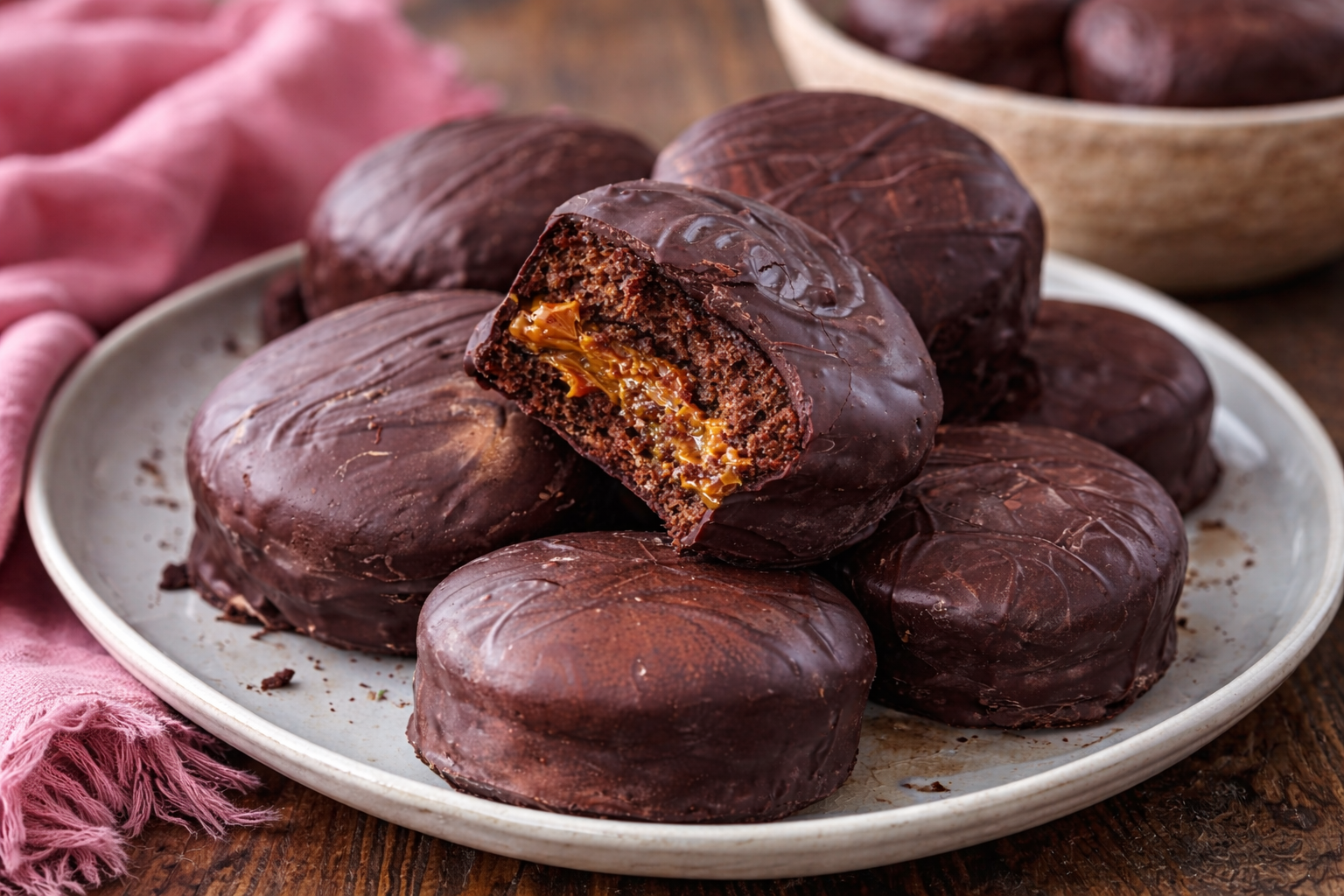
When I’m Tired, I Make This Chocolate Caramel Cake
I was tired when I made this. Not the kind…
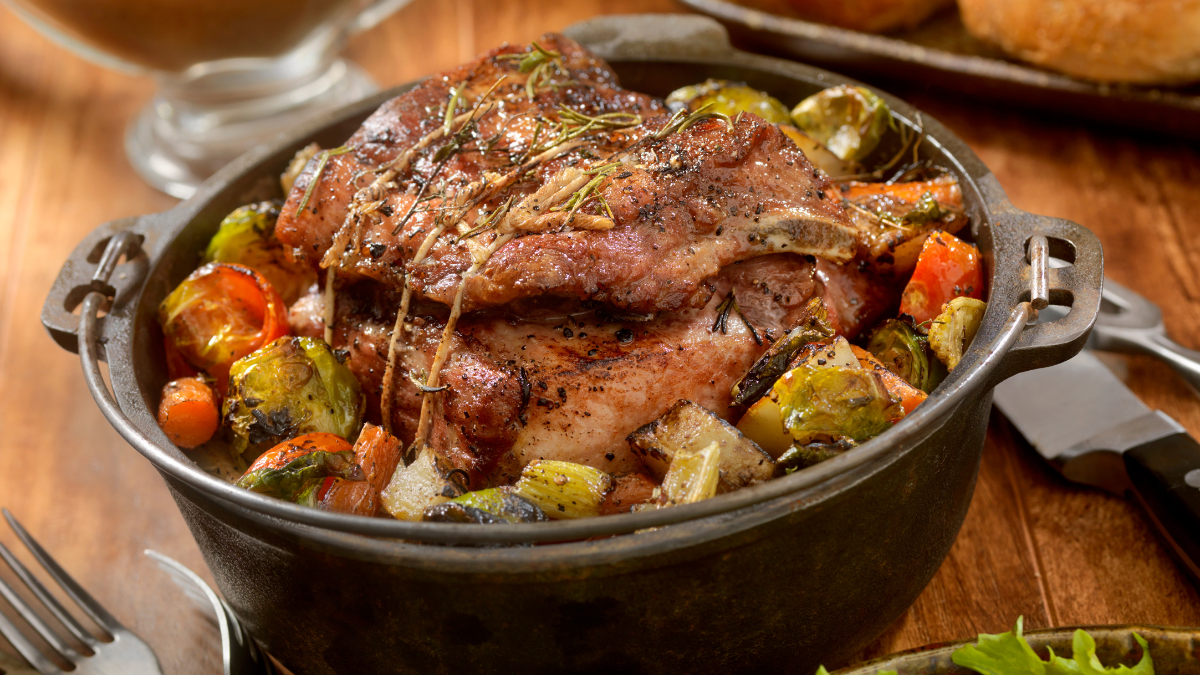
🌙 Cozy One-Pot Winter Dinners for Calm, Comfort & Busy Evenings
Winter evenings arrive quietly but heavily. The light fades early,…
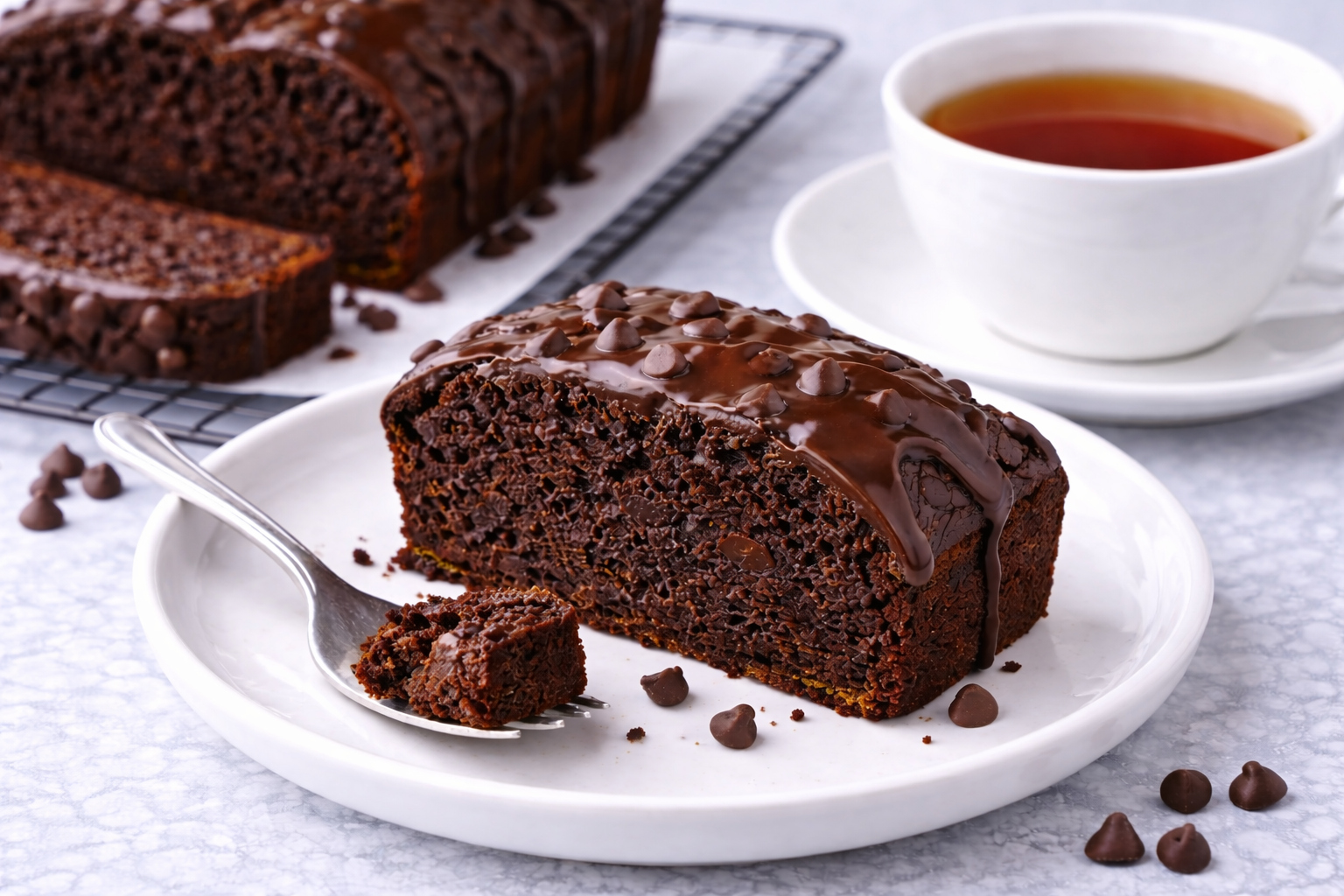
Chocolate Loaf Cake with Chocolate Drip | Moist Homemade Recipe
A Deep, Steady Chocolate Loaf for Slow Days Before I…