Why Rainy Days Demand Specific Cooking
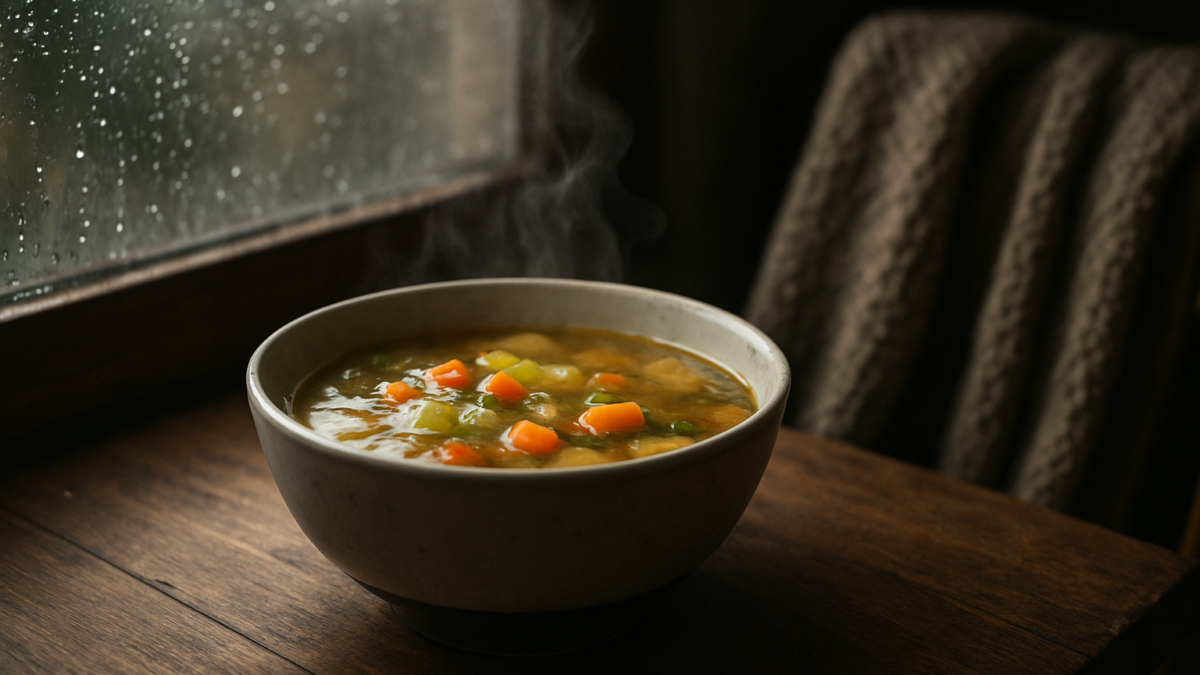
There is a specific cadence to a rainy day. The light dims, the temperature drops, and suddenly, the idea of a fresh salad feels entirely wrong. You want something that lingers on the stove, filling the house with a scent that acts like a blanket. Comfort food isn’t just about calories; it is about the sensory experience of warmth and the ritual of standing over a pot while the world outside is damp and cold.
The Philosophy of Slow Cooking
When it is raining, time feels different. You aren’t rushing to get out the door. This is the moment to reach for the ingredients that require patienceu2014the onions that need to caramelize for forty minutes, the beans that need a long simmer, or the dough that needs time to rise. I prefer recipes that don’t demand constant hovering. You want a meal that builds flavor on its own, allowing you to read a book or watch the rain while the kitchen does the heavy lifting.
My Go-To: The Classic Root Vegetable Stew
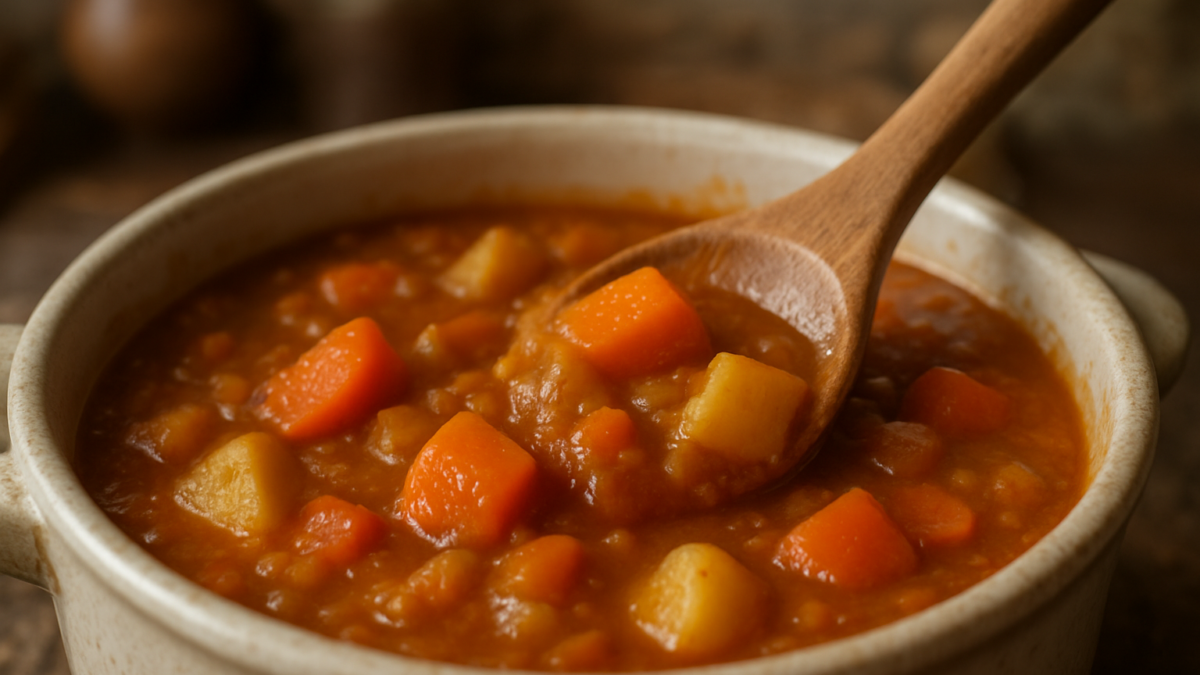
A stew is the ultimate rainy day solution. It is forgiving, it scales easily, and it tastes better the next day. The key here is texture. You want the vegetables to be tender but not mushy, and the broth to be rich enough to coat the back of a spoon.
- Use a mix of hardy vegetables: carrots, parsnips, and potatoes hold up best.
- Sear your protein first: whether you use beef or chunks of portobello mushrooms, a deep brown crust is where the flavor lives.
- Don’t rush the deglazing: use a splash of dry red wine or stock to scrape up the browned bits from the bottom of your pot.
Flexible Substitutions
Don’t let a missing ingredient stop you. If you don’t have fresh herbs, dried thyme or rosemary work perfectlyu2014just remember that dried herbs are more potent, so use half the amount. If you are out of wine for the base, a tablespoon of balsamic vinegar mixed with broth provides that necessary acid. If your broth is too thin, crush a few of the cooked potatoes into the liquid; the starch will thicken the stew naturally.
Sensory Details of a Warm Kitchen
Cooking on a rainy day is a tactile experience. It is the sound of the simmer, the steam rising against the cool glass of the window, and the way the kitchen smells of garlic, onion, and bay leaves. When you are prepping, don’t feel the need to be perfect with your knife work. Rusticity is the point of comfort food. Large chunks of vegetables look better and provide a more satisfying bite when you are curled up on the couch.
Storage and Reheating
Most comfort dishes like stews, braises, and baked pastas improve with time. Store your leftovers in airtight glass containers. When reheating, avoid the microwave if you have the time. Putting a stew back on the stove over low heat allows the flavors to settle once more. If it looks a little thick after being in the fridge, add a tiny splash of water or stock to bring it back to life.
Frequently Asked Questions
Can I make this in a slow cooker?
Yes, but you will miss out on the initial searing step. If you have time, brown your ingredients in a pan first, then transfer them to the slow cooker. It makes a significant difference in depth of flavor.
What if I don’t have a Dutch oven?
A heavy-bottomed stock pot works just fine. The goal is even heat distribution. If you are using a thinner pot, keep the heat lower and stir more frequently to prevent sticking.
Is it okay to freeze leftovers?
Absolutely. Most comfort food freezes well for up to three months. Just be sure to cool the food completely before putting it in the freezer to prevent ice crystals from ruining the texture.
Final Advice
Rainy day cooking is about kindness to yourself. If you are tired, keep it simple. A grilled cheese sandwich made with high-quality sourdough and a sharp cheddar, served alongside a bowl of tomato soup, is just as valid as a four-hour braise. Listen to your hunger, embrace the slow pace, and enjoy the quiet.
Related Posts
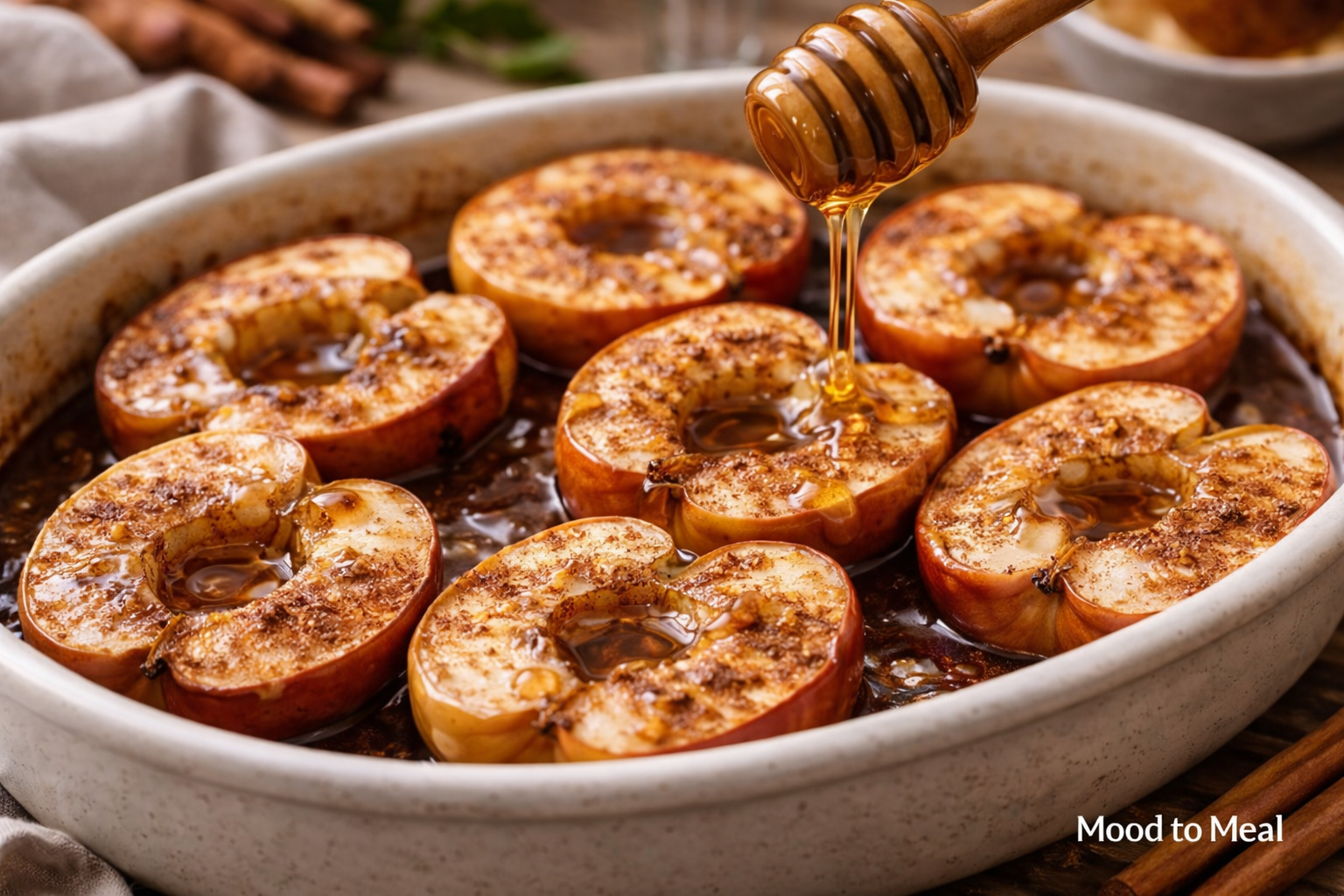
Slow-Baked Honey Apples | Gentle Comfort Dessert for Calm Evenings
There are desserts that celebrate. And then there are desserts…

Simple Vegetarian Meals – Easy, Healthy & Delicious Recipes for Every Day
The evening had been long. The sky outside was fading…
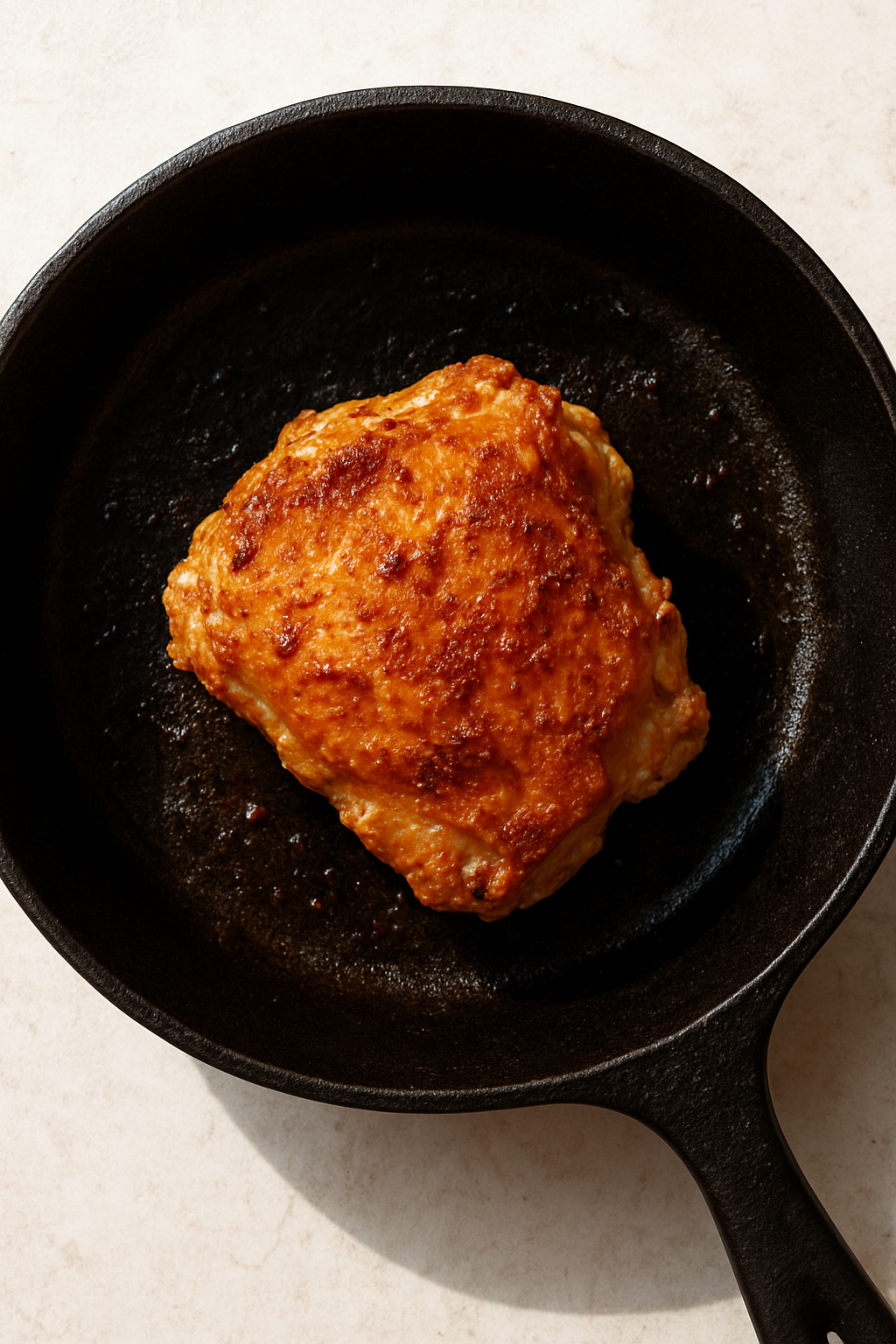
The Only Crispy Chicken Recipe You Need for a Perfect Sunday Dinner
Why This is My Go-To Crispy ChickenA serving idea for…