
In today’s world, where grocery prices seem to rise every week, learning how to cook delicious meals without spending too much is more important than ever. Thrifty cooking isn’t just about saving money — it’s about making the most of what you already have, reducing waste, and creating dishes that bring comfort and satisfaction to your table. With a little creativity, you can turn simple, affordable ingredients into something that tastes incredible.

When I first started cooking on a budget, I used to think low-cost meals meant boring or flavorless food. But I quickly learned that the opposite was true. Some of the best dishes I’ve ever made came from using what was left in the pantry or fridge. Cooking thriftily is all about thinking smart, stretching your ingredients, and using every bit of flavor available.
One of the best tricks for thrifty cooking is to rely on staple ingredients. Things like rice, pasta, lentils, potatoes, and eggs can form the base of countless meals. They’re inexpensive, filling, and go well with almost any flavor. Add in some vegetables, herbs, or a touch of sauce, and you’ve got a meal that feels homemade and hearty.
The Magic of One-Pot Meals
There’s something truly satisfying about cooking everything in a single pot. It saves time, energy, and money — and leaves fewer dishes to clean. A simple vegetable and rice skillet, for example, can feed a family while using up leftover veggies. Start by sautéing onions and garlic in a bit of oil, add chopped vegetables, pour in rice and broth, and let everything simmer until tender.

The aroma that fills the kitchen is enough to make everyone gather around. These kinds of dishes are not only affordable but also comforting, especially on a chilly evening. The beauty of one-pot meals is that you can substitute ingredients easily — whatever you have works.
Soups That Stretch Your Budget
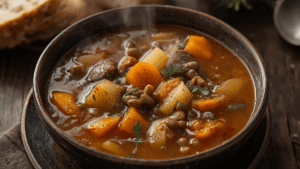
Soups are a thrifty cook’s best friend. You can take a few ingredients and create something warm, nourishing, and filling. A bag of lentils, some carrots, a few potatoes, and a handful of herbs can make a big pot that feeds your family for days. Add bread or rice on the side, and it becomes a complete meal.
I often make a big pot of vegetable soup at the beginning of the week. It’s perfect for lunch or dinner, and it gets even better the next day as the flavors blend. You can even freeze leftovers for busy days.
Turning Leftovers into New Meals
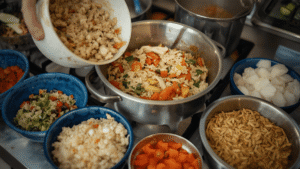
One of the most practical habits for thrifty cooking is learning to reinvent leftovers. That leftover rice from dinner? Turn it into fried rice with eggs and vegetables. Extra roasted chicken? Shred it into tacos, sandwiches, or a quick pasta dish. Even leftover vegetables can be mixed into omelets, wraps, or casseroles.
Nothing needs to go to waste in a thrifty kitchen. Every ingredient can have a second life if you get creative. It’s about being resourceful and enjoying the challenge of making something new from what’s already cooked.
Baking on a Budget
Baking might sound like an expensive hobby, but it doesn’t have to be. With a few basic pantry items like flour, sugar, eggs, and oil, you can make breads, muffins, or pancakes that cost far less than store-bought treats. Self-rising flour, in particular, is a wonderful budget-friendly ingredient because it already contains baking powder and salt.
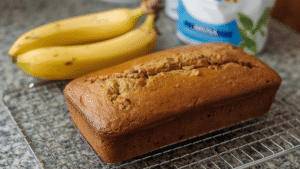
One of my favorite thrifty bakes is simple banana bread. Overripe bananas that might otherwise be thrown away turn into a sweet, soft loaf. Add a little sugar and oil, and you have a treat for breakfast or dessert that costs pennies per slice.
The Power of Simple Ingredients
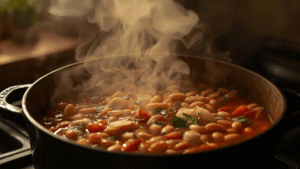
Thrifty cooking is about appreciating simplicity. You don’t need exotic spices or expensive ingredients to make great food. Sometimes, the best meals are the ones that come from just a few components — potatoes roasted with herbs, beans simmered with tomatoes, or eggs scrambled with leftover veggies.
These kinds of meals remind us that cooking isn’t about showing off; it’s about nourishing ourselves and the people we love. A pot of beans cooked slowly on the stove can fill your home with warmth and your table with satisfaction.
Cooking Smarter, Not Harder
To cook thriftily, you don’t need to compromise on taste or quality — you just need to be smart about how you plan meals. Look for seasonal produce, buy items in bulk when possible, and learn to love your freezer. Planning ahead means you waste less food and save more money.
Try to cook larger batches so you have leftovers for lunch or the next day’s dinner. Freeze portions for later, and you’ll always have a homemade meal ready to go. It’s not just convenient; it’s also one of the most practical ways to eat well without overspending.
The Joy of Thrifty Cooking
There’s something deeply satisfying about creating a delicious meal out of simple ingredients. It’s not only about saving money — it’s about creativity, mindfulness, and gratitude. Thrifty cooking encourages you to value what you have and make the most of every bite.
Each meal becomes a reminder that good food doesn’t have to be expensive. A humble pot of soup, a bowl of rice with vegetables, or freshly baked bread can bring just as much joy as a fancy restaurant meal — sometimes even more, because it’s made with love and care.
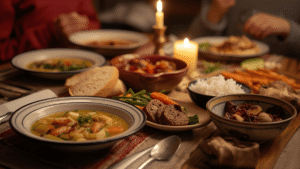
So next time you open your fridge and think there’s nothing to cook, take another look. With a little creativity and a thrifty mindset, you’ll see endless possibilities waiting right there. Cooking on a budget isn’t just smart — it’s an art form that brings comfort, flavor, and happiness into everyday life.
Related Posts
Mood-Based Recipes for Every Feeling – Comforting, Calming Dishes to Match Your Mood
Some days, you walk into the kitchen because your stomach…

French Onion Ground Beef Rice Casserole | Hearty Comfort Dinner
A Hearty, Old-Fashioned Dinner That Feels Like Home Some meals…

Warm Soups for Stress Relief – Comforting Recipes to Calm Your Mind & Mood
There is something almost magical about a bowl of warm…