
When people think about mental health, the first things that often come to mind are therapy, medication, or meditation. But there’s another factor we tend to overlook — food. The meals you put on your plate every day have a direct impact on how you feel.
Your brain is not just a source of thoughts and emotions; it’s a physical organ that makes up about 2% of your body weight but consumes nearly 20% of your energy. That means the brain is highly dependent on the nutrients you feed it. Research has shown that changing your diet can reduce symptoms of anxiety and depression by up to 33%. One eating pattern, in particular, has stood out as a game changer: the Mediterranean diet.
What Is the Mediterranean Diet?
The Mediterranean diet isn’t about restriction or calorie counting. Instead, it emphasizes what you add to your meals. It’s built around fresh vegetables, fruits, legumes, beans, nuts, whole grains, fish, and healthy fats like olive oil. At the same time, it limits processed foods, red meats, refined grains, and excess sugar.
A review of 41 studies involving over 1.5 million adults found that people who followed this diet lowered their risk of depression by 24% to 33%. Even people dealing with more complex conditions, such as bipolar disorder or schizoaffective disorder, showed improvements.
Why the Mediterranean Diet Improves Mood
Scientists point to four main reasons this way of eating supports better mental health:
1. Correcting Nutrient Deficiencies
Many mental health struggles can be tied to a lack of key nutrients. B vitamins, magnesium, and omega-3 fatty acids are essential for brain health and neuroplasticity — your brain’s ability to adapt and grow.
For example, some individuals with depression carry a gene variant (MTHFR) that makes it harder to process B vitamins. Increasing B vitamin intake has been shown to dramatically reduce their symptoms. The Mediterranean diet naturally provides these nutrients, helping the brain produce serotonin and dopamine — the neurotransmitters that stabilize mood.
2. Reducing Chronic Inflammation
Chronic inflammation has been linked to anxiety, depression, and cognitive decline. The Mediterranean diet includes powerful anti-inflammatory foods: olive oil, nuts, seeds, colorful vegetables, legumes, and omega-3-rich fish like salmon and sardines. These not only reduce inflammation but also protect neurons from oxidative damage, supporting long-term brain function.
3. Supporting Gut Health
There’s a strong connection between gut health and mental health. Around 90% of serotonin is actually produced in the gut. Fiber-rich foods, common in the Mediterranean diet, nurture healthy gut bacteria, which in turn may help reduce anxiety and improve mood.
Adding fermented foods such as yogurt, kimchi, or kombucha can further strengthen gut health and improve the brain-gut connection.
4. Stabilizing Blood Sugar
Unstable blood sugar levels can trigger spikes in cortisol, the stress hormone. This often leads to fatigue, irritability, and anxiety. The Mediterranean diet balances carbohydrates, proteins, and fats in a way that keeps blood sugar steady, providing the brain with a reliable energy supply. Some research even suggests this stability can ease symptoms in bipolar disorder and schizophrenia.
Small Steps to Get Started
Switching to a new way of eating can feel overwhelming, but it doesn’t have to be. The most effective approach is to make small, sustainable changes over time:
-
Swap butter or margarine for extra virgin olive oil. Use it in cooking, drizzle it over salads, or dip bread into it.
-
Fill half your plate with vegetables. Aim for a rainbow of colors — kale, carrots, cabbage, blueberries, beets, and more.
-
Choose whole grains like quinoa, brown rice, or whole wheat pasta instead of refined grains.
-
Add fish twice a week. Grill or bake salmon, sardines, or mackerel for a nutrient boost.
-
Snack on nuts and seeds. Almonds, walnuts, chia seeds, and pumpkin seeds provide healthy fats and magnesium, which can ease anxiety.
-
Replace desserts with fresh fruit. Raspberries, strawberries, and oranges make sweet but nutrient-dense alternatives.
-
Enjoy meals slowly with loved ones. In Mediterranean cultures, meals are a social activity, which adds emotional well-being alongside nutrition.
Why This Matters
Mental health isn’t just about therapy sessions or relaxation techniques. It’s also about what fuels your brain every single day. By adopting the Mediterranean diet gradually — one small swap at a time — you can build a meal plan that supports both body and mind.
Every change, no matter how small, adds up. Over time, these habits can help you feel calmer, more balanced, and more resilient.
Related Posts
Brown Butter Vanilla Sugar Cookies for Slow, Comforting Moments
I started these cookies in a bad mood. Not dramatic,…
Classic Cheesy French Onion Soup Recipe for Comfort & Cozy Moods
There are evenings when even deciding what to eat feels…
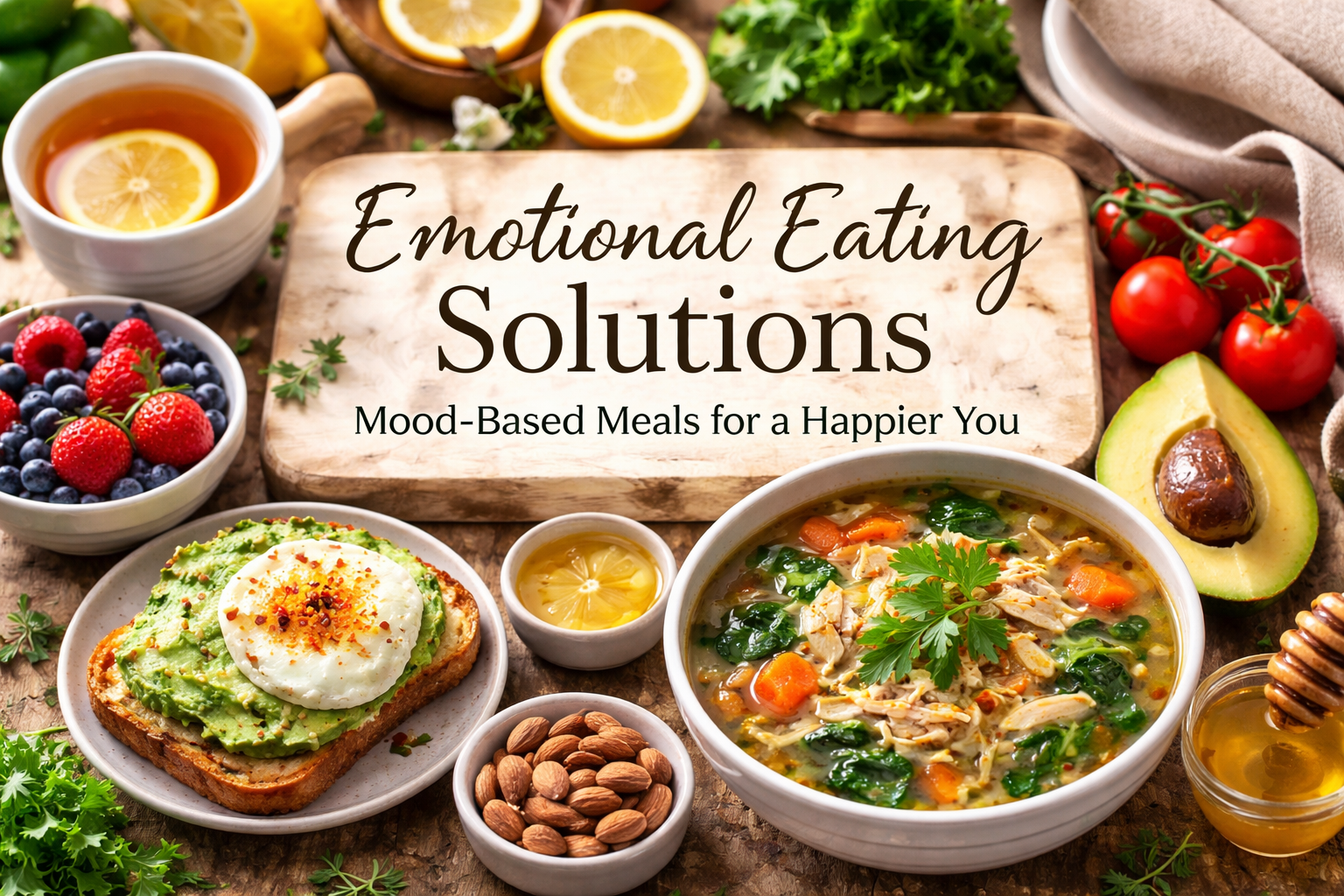
Emotional Eating Solutions | Mood-Based Eating for a Healthier Mind & Body
Some days, food is just food. And some days, food…