There are days when the world moves too fast, even when you’re standing still. You wake up with a heaviness behind your eyes, something you can’t quite name, and it sits quietly in your chest like a small stone. On those days, the mind feels crowded, tired, or simply distant — and the simplest thing you can do for yourself is to walk into the kitchen and start something soft.
Cooking for mental health isn’t about being perfect.
It isn’t about following rules.
It’s about connection — with your senses, with the warmth of ingredients, with the tiny rituals that bring your mind back into your body.
That is why this story-style recipe journey exists. To remind you that food isn’t just fuel; it’s a quiet companion that understands you when your thoughts feel loud.
So, breathe in.
Let’s begin slowly.
When Food Becomes Comfort for the Mind
There are moments when chopping a carrot feels like a small meditation — the gentle rhythm of the knife, the crisp sound of fresh produce, the smell of earth rising from the cutting board. These small things ground you. They remind you that life is still happening, and you are still here, present, capable.
Every recipe you’ll read in this article is created with one purpose:
To make your mind feel lighter, calmer, happier, and more supported through food.
Not with complicated ingredients.
Not with perfection.
But with warmth.
Let’s step into the first dish, slowly like slipping into warm water.
🥣 Recipe 1: Sunshine Turmeric Coconut Soup
A bowl that feels like a gentle hand on your shoulder.

The idea of this soup came to me on a day when the rain wouldn’t stop. I remember standing near the window, forehead against the glass, watching the water fall in soft sheets. My mind was heavy. I wanted comfort, but I didn’t want anything overwhelming. Just something warm enough to soften the edges of the day.
I opened the pantry and saw turmeric glowing like sunlight trapped in a tiny jar. That was the beginning.
In the kitchen, I warmed a little coconut milk, letting it swirl slowly in the pot. The aroma rose like a soft hug. Then came the garlic, the ginger, a handful of vegetables — each one slipping into the pot with a calming hiss. I stirred lazily, almost forgetting my worries for a moment.
The turmeric melted into the broth, turning everything golden, like holding a cup of warm sunrise.
How It Helps the Mind
Turmeric lifts inflammation from the body, but it also brings a gentle brightness. Ginger wakes the senses. Coconut milk comforts the nervous system. Together, they create a bowl that feels like a safe place.
As I sat with the first spoonful, something loosened inside me. Not a miracle. Not instant joy. But a quiet reminder that I could still taste warmth, still feel comfort, still nourish myself even when the world felt heavy.
🍓 Recipe 2: Mood-Lifting Strawberry Oat Cups
Soft, fresh, sweet — like stepping into a memory where everything felt easy.

Some recipes feel like childhood. Not in a dramatic way, but in small flashes — like the smell of fruit warming on the stove, the softness of oats, the sweet tang of berries that taste like simpler times.
These strawberry oat cups began on a morning when I woke up feeling slow. Not sad. Not anxious. Just… slow. The kind of morning where you move like the world is wrapped in cotton.
I reached for a handful of strawberries. Their bright color felt like a tiny spark. I sliced them lazily, letting the juice stain my fingers. Then I mixed oats, honey, a touch of vanilla — nothing complicated. Just ingredients that felt honest.
When the cups baked, the kitchen filled with a warm strawberry scent that lifted my whole mood. It wasn’t happiness in the dramatic sense — but something more sustainable: lightness.
Sitting with a warm strawberry oat cup in hand felt like the world was telling me, “You’re doing okay. Just breathe.”
🍲 Recipe 3: Grounding Lentil & Spinach Comfort Bowl
A warm, earthy dish that steadies the mind.

Lentils are grounding. They have this quiet strength — steady, earthy, reliable. On anxious days, when your thoughts jump from branch to branch like restless birds, lentils bring you back to the ground.
This recipe started on a day when my mind was scattered. I kept starting tasks and abandoning them halfway. Nothing made sense. Everything felt too loud.
So I turned to lentils.
I rinsed them slowly, watching the water cloud and clear. I added garlic, onions, a handful of spinach wilting into softness. The scent filled the room with a sense of peace. Lentils don’t rush you. They cook steadily, patiently, and you can’t speed them up — which is why they help calm the mind. They teach you to slow down with them.
A squeeze of lemon at the end brings brightness, reminding you that grounding doesn’t mean heaviness — it can also mean clarity.
Eating this bowl feels like settling into yourself again.
Cooking as a Quiet Return to Yourself
Some days, your mind feels like a storm. Other days, it feels like an empty room. But there are also days when it feels like a slow tide — pulling back, pushing forward, uncertain, unsettled. On those days, cooking becomes one of the few things that brings you back to yourself.
The kitchen doesn’t judge your pace.
You can move slowly.
You can stop and breathe.
You can stand over the stove and watch steam rise like soft clouds, giving yourself permission to simply be.
This part of our journey is about recipes that reconnect you with your body when your mind feels disconnected. Recipes that bring warmth to your hands, aroma to your senses, and rhythm back to your breath.
Let’s keep walking together.
🍵 Recipe 4: Soothing Lemon-Ginger Calm Tea
The kind of drink that unknots your mind one sip at a time.


This tea wasn’t originally a recipe—
it was an instinct.
I remember that day clearly. The afternoon felt heavy, the way air feels just before rain. My thoughts were scattered like loose paper on a desk. I needed calm, not from silence, but from something warm enough to melt the tension inside my chest.
So I reached for ginger.
I peeled it slowly, breathing in its sharp, cleansing scent. Ginger is honest—no pretending, no softness—just pure, awakening warmth. Then came lemon, bright and fresh, like a small sun in my hands.
As the tea simmered, the kitchen filled with a comforting fragrance that felt like it was clearing space inside me. I poured it into a mug and held it close, warming my hands before even taking a sip. The first taste was gentle, almost tender. My breathing slowed without me realizing.
How It Helps the Mind
Lemon-ginger tea is a natural emotional balancer.
It doesn’t push you to be happy.
It simply helps you relax enough to feel like yourself again.
And sometimes, that’s all you need.
🥗 Recipe 5: Serotonin-Boosting Greens & Avocado Bowl
A fresh, creamy bowl that reminds you how alive your body is.


This dish came from a moment of frustration. I had been sitting at my desk for hours, feeling disconnected from everything—my work, my thoughts, even my own body. When I finally stood up, I felt dizzy, tired, and strangely hollow.
I walked to the kitchen because I needed something that felt real.
I opened the fridge and saw spinach leaves resting quietly in a bowl, a ripe avocado soft beneath my fingers, some cucumbers still crisp with moisture. I took everything out, not thinking, just moving.
There’s something grounding about washing greens—
the cool water,
the softness of leaves,
the sound of droplets tapping on the sink.
I sliced the avocado, letting it fall into gentle, creamy pieces. I added nuts for crunch, a drizzle of olive oil, a squeeze of lemon. Nothing complicated, but everything felt alive.
When I sat down with the bowl, the first bite tasted like clarity. Not joy, not excitement—just clarity. A reminder that my body still wants to take care of me, even when my mind is tired.
Why This Lifts Your Mood
Avocado supports serotonin.
Greens nourish the brain.
Lemon wakes up the senses.
Together, they bring you back into your body, one simple bite at a time.
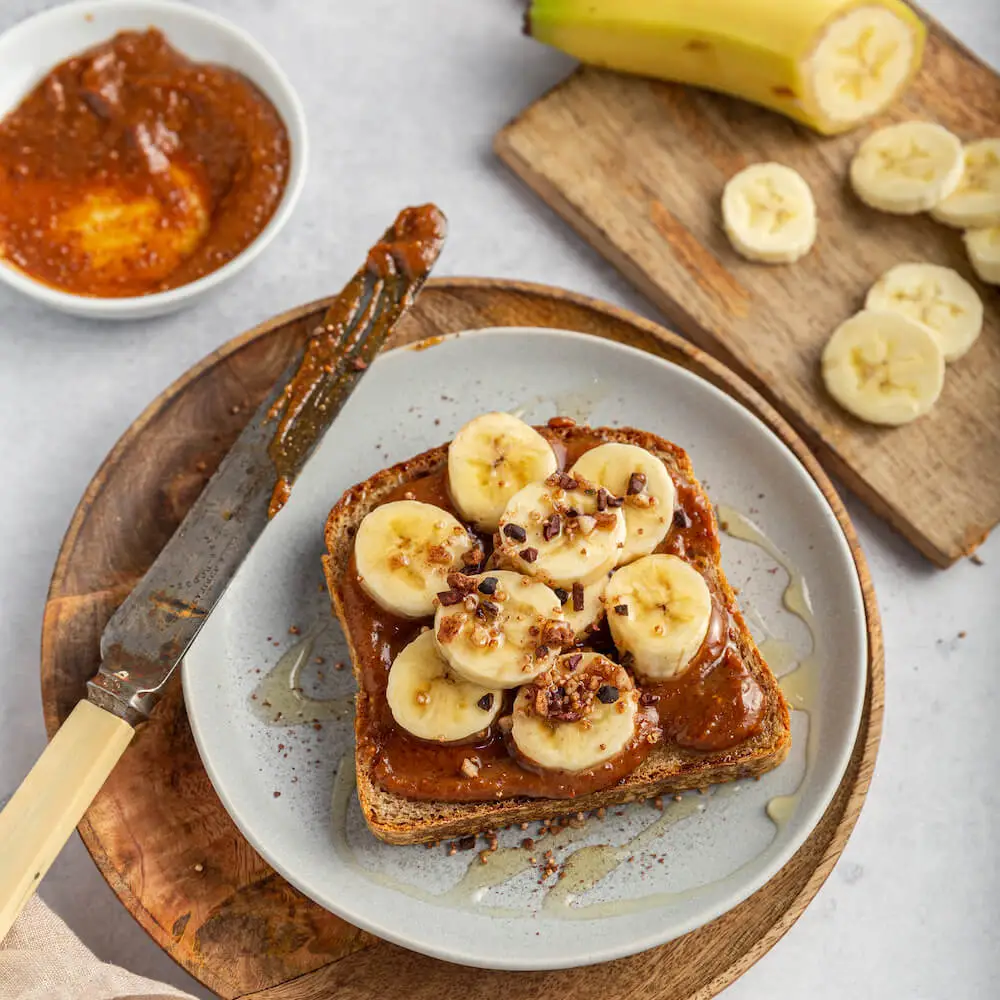
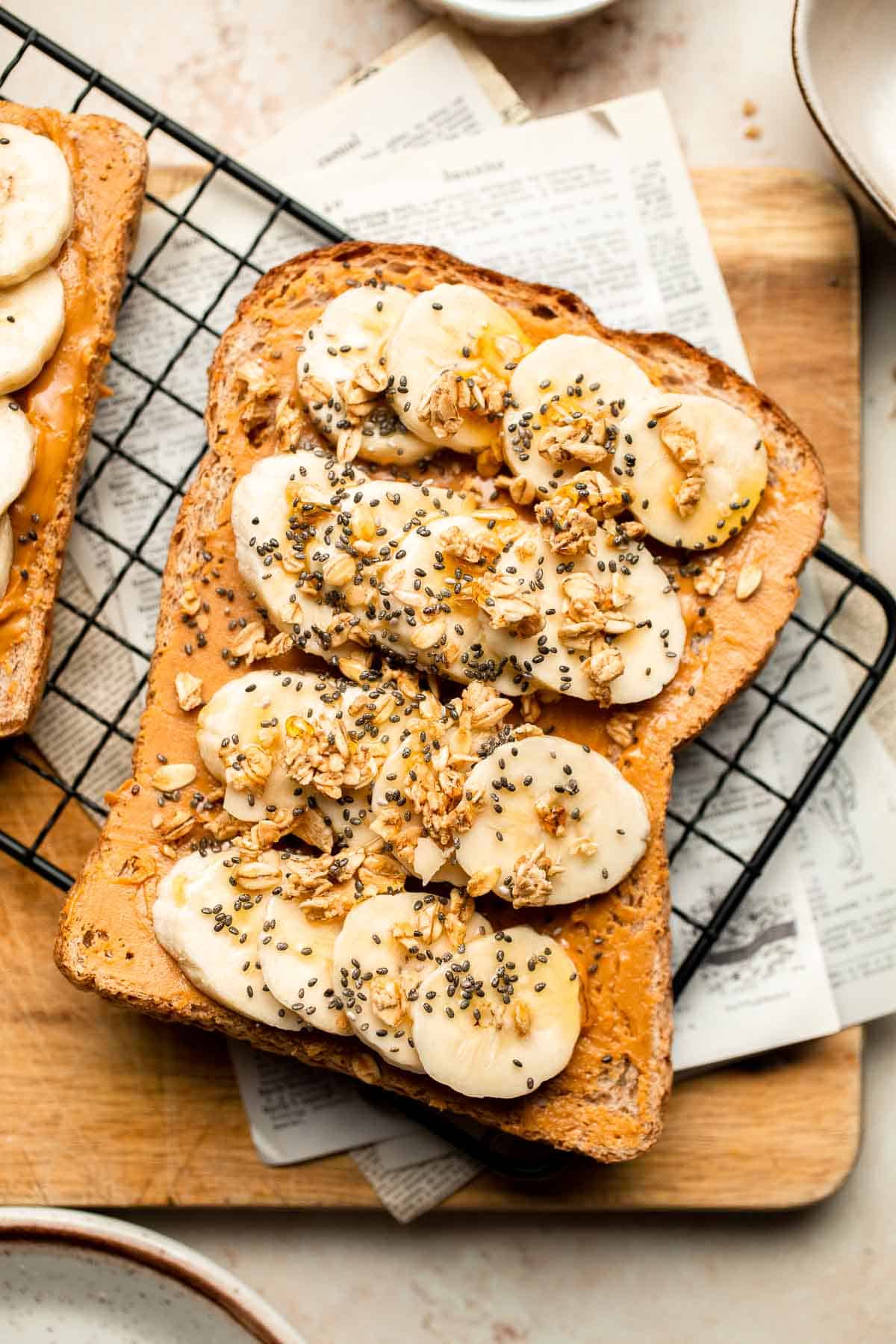
🍞 Recipe 6: Toasted Peanut Butter & Banana Comfort Slice
A nostalgic snack that feels like a warm hand holding yours.
Some recipes are small, almost too simple to write about.
But they carry entire memories inside them.
Peanut butter and banana toast is one of those. It reminds me of slow childhood mornings when happiness was uncomplicated. When meals didn’t need to be planned. When sweetness came from fruit and comfort came from warmth.
This recipe found me on a night when I felt emotionally drained. I didn’t want dinner. I didn’t want noise. I just wanted something soft and familiar. I toasted a slice of bread, spread warm peanut butter over it, watching it melt into tiny waves. Then I added banana slices, each one like a soft, golden smile.
I sprinkled a tiny bit of cinnamon—not for flavor, but because it felt like a small blessing.
I ate it sitting on the floor, back against the wall, feeling the kind of peace that doesn’t come with effort. It just settles into you, slowly and quietly.
How It Supports Mental Health
Bananas boost dopamine.
Peanut butter provides steady comfort.
Warm toast grounds your senses.
Together, they create a moment of inner kindness.
🍚 Recipe 7: Warm Vanilla Rice Porridge for Emotional Fatigue
Soft, slow, and deeply reassuring—like being wrapped in a blanket made of warmth.


This porridge came into my life during a time when I felt completely overwhelmed. Everything felt too big: my tasks, my emotions, even the quiet moments. I couldn’t focus. I couldn’t slow down. I couldn’t breathe deeply without feeling a tightness in my chest.
So I made rice porridge.
It wasn’t planned. I didn’t measure anything. I just poured rice into a pot, added water, a splash of milk, a little vanilla, and let it cook. The steam rose slowly, carrying with it a softness that filled the whole room.
There’s something therapeutic about stirring porridge.
You move gently,
slow circles,
watching the mixture thicken into something warm and safe.
When it was ready, I sat at the table with the bowl in my hands, letting the heat warm my palms. Each spoonful felt like a quiet reminder that I didn’t need to rush. I didn’t need to fix everything. I just needed to feed myself with care.
Why This Helps the Mind
Warm foods signal the nervous system to relax.
Vanilla soothes emotional stress.
Soft textures calm anxious thoughts.
Together, they create a sense of emotional rest.
Food That Holds You When Words Cannot
There are days when you wake up with a weight you can’t describe—
a heaviness that follows you into every room,
a quiet ache you carry without knowing why.
Talking doesn’t help.
Rest doesn’t help.
Even music feels too loud.
But the kitchen still waits for you with its soft light, quiet corners, and familiar scents. Cooking doesn’t demand explanations. It doesn’t ask you to be cheerful or productive. It simply gives you a simple, grounding place to return to.
In this part of our journey, the recipes become softer, deeper—
made for days when your heart is tired and your thoughts feel tangled.
These dishes don’t try to fix you.
They simply sit beside you with warmth.
Let’s walk into this calm space together.
🍜 Recipe 8: Ginger-Garlic Healing Noodle Bowl
A warm bowl that feels like someone finally understanding what you need.


This recipe came from a night when I felt emotionally exhausted in a way that sleep couldn’t repair. My chest felt tight, like I had forgotten how to breathe fully. I didn’t want to think. I didn’t want anything complicated. I just needed something warm enough to melt the knots inside me.
I boiled noodles—soft, simple, forgiving noodles that never judge you for overcooking them.
Then I warmed broth with thin slices of ginger and garlic. The steam smelled like healing. Ginger clears the fog in your head. Garlic feels like strength. As I poured the broth over the noodles, something shifted inside me—very small, but real.
I added a splash of soy sauce for depth, a sprinkle of green onions for freshness. The bowl looked humble but comforting, like a friend bringing you a blanket without asking questions.
Why It Lifts Your Mood
Ginger warms the body.
Garlic boosts mental clarity.
Warm broth signals the nervous system to soften.
Noodles comfort the heart with their simplicity.
Every spoonful feels like relief.
🧡 Recipe 9: Sweet Potato Mash for Emotional Warmth
A creamy, nurturing dish that reminds you of your own softness.


Sweet potatoes are emotional food.
They hold warmth, sweetness, and the kind of comfort you don’t need to earn.
This recipe found me on a cold, grey evening when loneliness felt heavy. I didn’t want noise or company. I just wanted something gentle enough to sit with me, something soft enough that I didn’t have to think while eating it.
I roasted a sweet potato until it became tender, its skin wrinkling like the end of a long day. When I sliced it open, steam escaped—warm, fragrant, soothing. I mashed it with a little butter, a tiny bit of honey, and a pinch of salt. The mash glowed like a small sunset in a bowl.
I ate it slowly, each spoonful grounding me in the moment. The sweetness reminded me that the world still has softness, even on hard days.
How It Supports Mental Health
Sweet potatoes stabilize mood with slow-release energy.
Warm, mashed foods soothe emotional tension.
Honey brings gentle comfort.
Together, they create warmth that feels almost like compassion.
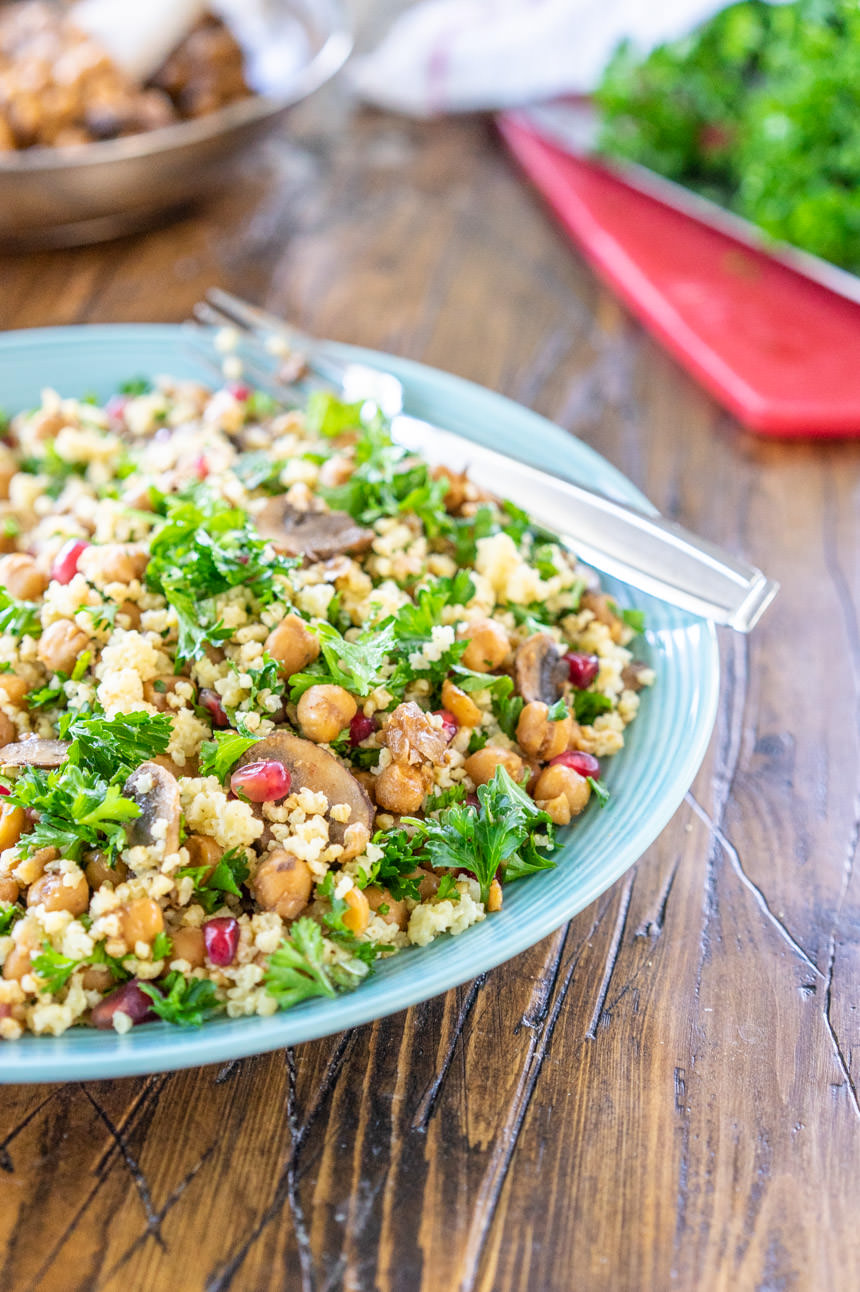
🌾 Recipe 10: Millet & Veggie Serenity Bowl
Earthy, grounding, and peaceful—perfect for overthinking minds.
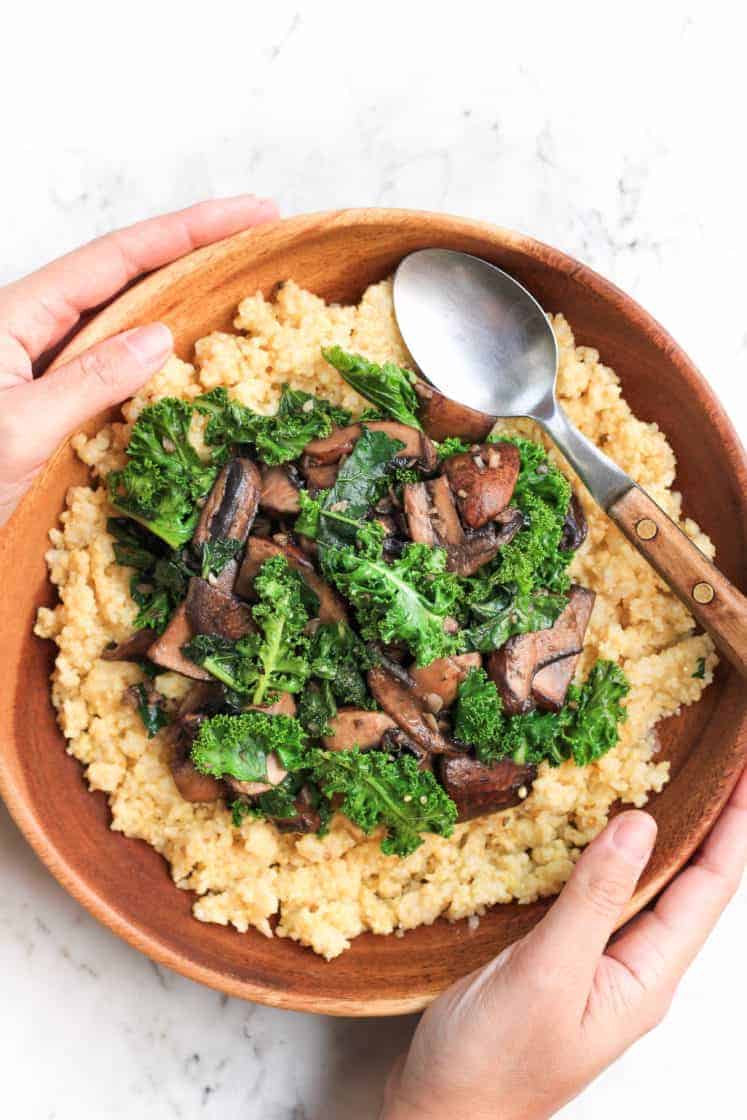
Millet is one of the quietest grains.
It doesn’t have the boldness of rice or the heaviness of pasta.
It’s subtle, calming—like a whisper when your mind is too loud.
I made this bowl on a day when my thoughts were racing nonstop. My mind wouldn’t quiet down, jumping from one worry to another. I needed grounding—something earthy, something steady.
Millet cooks slowly, and that slowness forces you to breathe with it. I simmered it until it absorbed all the water, becoming fluffy and warm. Then I sautéed vegetables—soft carrots, green beans, peas—each adding color like small moments of brightness.
When I combined everything, the bowl felt peaceful. Nothing dramatic. Nothing bold. Just a gentle reminder that grounding can be simple.
Why It Helps
Millet calms the digestive system, which calms the mind.
Soft veggies bring warmth.
Simple flavors soothe overwhelm.
It’s a meal that whispers: You’re safe. Slow down.
☕ Recipe 11: Dark Chocolate & Almond Mood Squares
A small treat that feels like a gentle reward for surviving the day.


This recipe didn’t come from sadness or stress.
It came from a need for kindness.
Some days, you don’t feel low—you just feel empty.
Not unhappy, not overwhelmed… just disconnected.
On one of those evenings, I melted dark chocolate slowly over low heat. The aroma rose softly—rich, deep, grounding. I added crushed almonds, letting them sink into the warm chocolate like tiny anchors. When the mixture cooled and hardened, I broke it into uneven squares.
The first bite had a gentle bitterness followed by warmth. The crunch of almonds felt like waking up my senses. It wasn’t indulgence—it was therapy in small pieces.
How It Helps
Dark chocolate increases serotonin.
Almonds bring steady energy.
The act of slowly eating a treat feels emotionally renewing.
It’s not about the chocolate itself—
it’s about reminding yourself that you deserve sweetness.
🍋 Recipe 12: Lemon-Honey Morning Water for Anxiety Relief
A simple ritual that clears mental fog and sets the tone for the day.


Not every mood-boosting recipe needs a stove or chopping board.
Some healing begins in the first five minutes of your day.
This ritual started for me at a time when mornings felt heavy. I’d wake up already exhausted, my chest tight with unspoken worries. One day, I squeezed half a lemon into warm water and added a little honey—nothing special, nothing complicated.
But holding that warm cup changed something.
It felt like a small sunrise in my hands.
A moment that belonged only to me.
The first sip was soothing, soft, gentle. My mind felt lighter, and my morning slowly became less of a struggle.
Why It Helps
Warm water calms the nervous system.
Lemon wakes the senses.
Honey soothes emotional tension.
It’s a small act of self-kindness that carries into the rest of your day.
When the Heart Feels Heavy, Let the Kitchen Be Light
There are moments in life when heaviness doesn’t come from sadness alone.
Sometimes it comes from thinking too much, caring too much, or holding too much.
Your mind becomes a crowded room, and you stand quietly in the corner, unsure of how to clear the space.
On days like this, cooking becomes a form of emotional housekeeping.
A small, loving return to control.
A reminder that even when your world feels chaotic, you can still create something warm, nourishing, and grounding.
These next recipes are created for exactly those days—
when you need meals that restore you gently, without force, without pressure, without expectations.
Meals that taste like hope.
Let’s continue this slow walk through comfort.
🧄 Recipe 13: Caramelized Onion & Mushroom Emotional Reset Toast
A slow, earthy, healing bite that feels like a deep breath after crying.


This recipe belongs to the category of slow healing.
It requires time, but not attention—
the kind of cooking that lets your hands move while your heart rests.
I made this toast on a day when I had cried more than I wanted to admit. My eyes felt hot. My chest felt empty. I wasn’t hungry, but I needed something grounding. Something earthy. Something real.
I sliced onions thinly and let them cook slowly in a little oil. Caramelizing onions is almost meditative—they soften, darken, sweeten over time, like the heart does after releasing its heaviness.
Then I added mushrooms. They sizzled quietly, releasing their earthy aroma, filling the kitchen with a warm, comforting scent. I toasted a slice of bread and piled the mixture on top, adding a sprinkle of herbs.
It wasn’t fancy.
It wasn’t beautiful.
But it tasted like strength returning to me, one small bite at a time.
How It Helps the Mind
The slow cooking relaxes anxious energy.
The earthy flavors ground emotional chaos.
Warm toast anchors your senses and helps you feel present again.
🍠 Recipe 14: Roasted Herb Potatoes for Mental Stability
A crisp, warm tray of reassurance when life feels uncertain.


Potatoes are comfort in their simplest form.
Not dramatic, not demanding—just humble, filling, steady.
This recipe came from a morning when nothing in my life made sense. Plans fell apart. Conversations felt heavy. My emotions felt unpredictable, like the ground beneath me was shifting. I wanted something predictable—something that didn’t fail, didn’t confuse, didn’t complicate.
I cut potatoes into quiet, equal pieces.
Sprinkled herbs.
Added a little salt.
A little olive oil.
And baked them slowly.
The sound of the oven warming, the faint smell of herbs filling the room, the certainty of knowing potatoes always turn golden—
it felt like life giving me a moment of stability.
When I tasted the first warm piece, crispy on the outside and soft on the inside, I felt something inside me relax.
Why It Supports Mental Health
The predictable process calms the mind.
Herbs like rosemary help clear emotional fog.
Warm, hearty textures give a sense of safety.
Sometimes you don’t need excitement—
you need simplicity.
🥣 Recipe 15: Calming Lentil-Carrot Soup
A soft, gentle bowl that feels like someone placing a warm blanket over your shoulders.


This soup came into my life during a period of quiet emotional fatigue. Not sadness. Not panic. Just tiredness so deep it felt like it lived in my bones.
I didn’t have the energy to cook something complex.
But I needed warmth.
And nourishment.
And something that didn’t require decisions.
So I rinsed red lentils.
Cut carrots into lazy, uneven pieces.
Added garlic, a little broth, and let it all simmer.
The pot bubbled gently, almost whispering.
The smell was comforting.
The color was warm, like soft sunlight.
When I blended the soup into a creamy texture, it felt like creating peace in a bowl.
Eating it felt like resting—deep, honest resting that doesn’t come often enough.
Why It Helps
Lentils stabilize mood with steady nutrients.
Carrots bring natural sweetness that softens emotional tension.
Warm soups help the nervous system relax.
Every spoonful is like a gentle exhale.
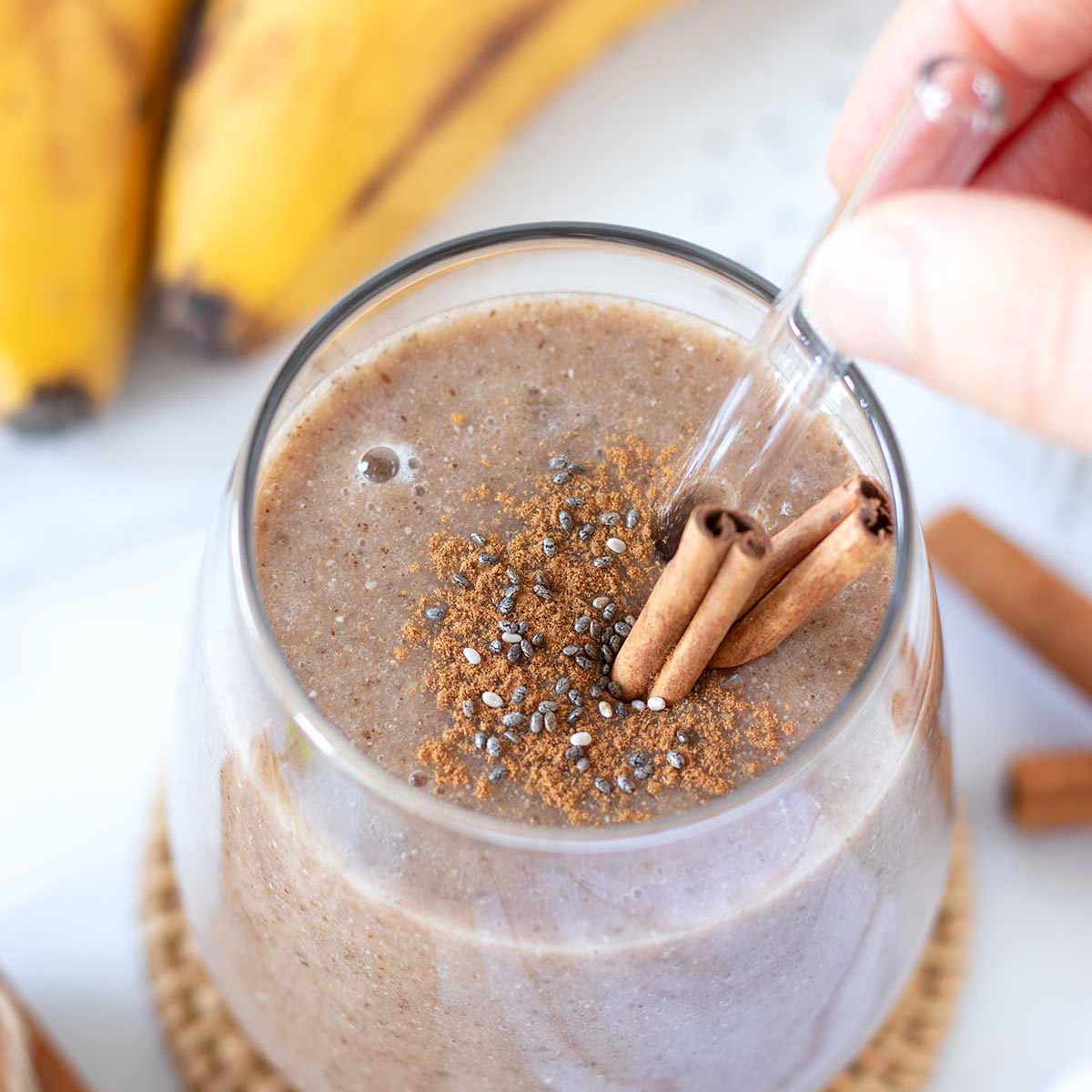
🍌 Recipe 16: Banana-Cinnamon Mood Rescue Smoothie
A creamy, sweet lift when anxiety feels tight and overwhelming.
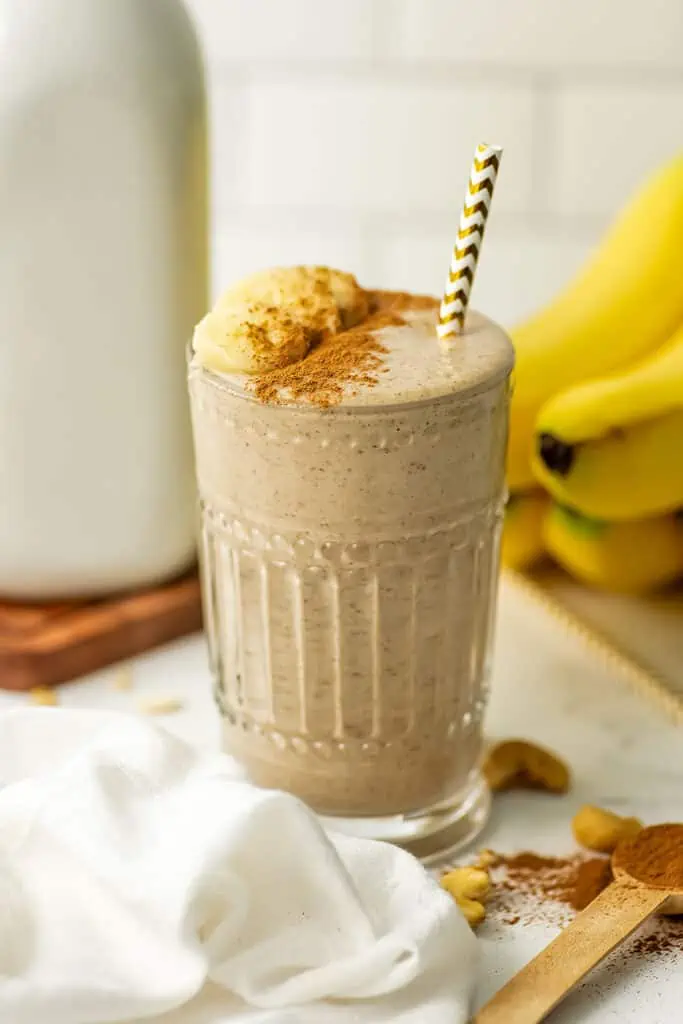
Some days you don’t want to chew.
You don’t want to cook.
You don’t want to stand for too long.
You just want something that feels like comfort without effort.
This smoothie became that comfort for me.
I blended a ripe banana—sweet, soft, soothing.
A little cinnamon—warm, grounding, calming.
A splash of milk.
A drizzle of honey.
And ice to bring a refreshing coolness.
The result was a thick, creamy drink that tasted like emotional relief.
The kind of drink you can hold with both hands, feeling the cold glass against your palms, helping anxiety loosen its grip.
How It Helps
Bananas boost serotonin.
Cinnamon stabilizes blood sugar and mood.
The creamy texture calms emotional overwhelm.
It’s like a soft reset button for your mind.
🍛 Recipe 17: Chickpea Curry for Emotional Strength
A rich, warm bowl that nourishes resilience during difficult times.


This curry was born on a day when I doubted myself deeply.
Nothing felt right.
My thoughts spiraled.
I questioned every decision.
I felt small.
But chickpeas—chickpeas are strong.
They remind you of resilience.
I sautéed garlic and onions until fragrant.
Added tomatoes and spices that smelled like hope—turmeric, cumin, coriander.
Then I poured in chickpeas and let everything simmer gently.
The curry thickened slowly, warming the whole kitchen.
By the time it was ready, my heart felt a little steadier.
A little stronger.
A little more like myself.
Why It’s Good for the Mind
Chickpeas boost energy and emotional balance.
Mild spices encourage clarity and warmth.
A warm curry creates a sense of inner stability.
A bowl of chickpea curry can feel like courage in edible form.
Finding Light Again, One Meal at a Time
There’s a moment in every healing journey where the heaviness begins to lift—
not entirely,
not dramatically,
but gently.
Like morning sunlight finding its way through curtains.
Like warm air after a long winter.
Like realizing, quietly, that you’re breathing a little easier than yesterday.
Food can’t fix the heart.
But it can help steady it.
It can remind you, in small ways, that your body still wants to care for you even when your thoughts feel tangled.
These final recipes are created for that middle space—
when you’re not at your lowest,
but not fully okay either.
The in-between place where comfort matters most.
Let’s finish this journey with warmth.
🍲 Recipe 18: Creamy Spinach & Garlic “Hope” Pasta
A soft, comforting bowl that feels like a quiet promise of better days.


This pasta came into my life during a time of transition—
when change felt both exciting and terrifying.
My heart was hopeful, but my mind was anxious, and I needed something grounding.
I cooked pasta until soft, the steam rising like tiny clouds of reassurance.
In a pan, I warmed garlic, letting it release its soothing aroma.
I added spinach, watching it wilt into gentle green ribbons.
A little cream, a little pepper, a touch of salt—
nothing complicated, just simple things coming together.
When I tossed the pasta into the sauce, it looked like comfort.
Creamy, warm, gentle, steady.
The first bite tasted like softness.
Like hope.
Like a reminder that change can be nurturing, not frightening.
Why It Helps
Garlic calms inflammation and stress.
Spinach supports brain function and emotional stability.
Creamy textures soothe anxious thoughts.
It’s the kind of meal that holds you while you adjust to new chapters.
🍑 Recipe 19: Peach-Yogurt Serenity Bowl
A cool, refreshing bowl that feels like emotional lightness.

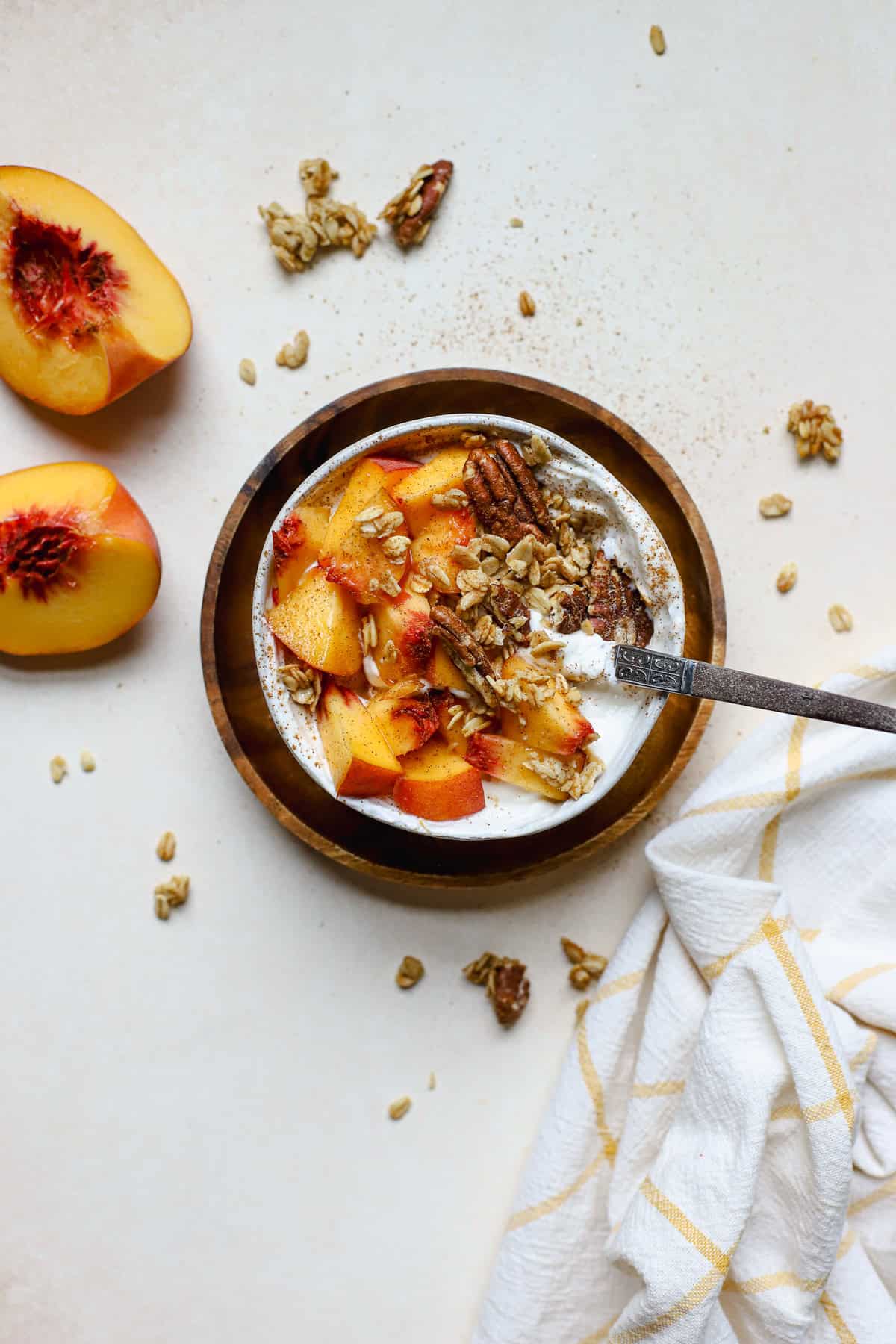
This bowl was born on a soft summer afternoon.
The kind of day where sunlight feels gentle, not harsh.
Where the breeze carries a sweetness that makes you breathe a little deeper.
I sliced ripe peaches—fragrant, juicy, glowing like little suns in my hands.
I spooned yogurt into a bowl, added the peaches, then drizzled honey in a thin golden ribbon.
A sprinkle of nuts for texture, a pinch of cinnamon for warmth.
It wasn’t a complicated dish.
But I remember taking that first spoonful and feeling something inside me lift.
It tasted like relief.
Like clarity.
Like returning to myself after days of emotional fog.
How It Supports Mental Health
Yogurt helps balance gut health linked to mood.
Peaches add natural sweetness and hydration.
Honey soothes emotional tension.
It’s a bowl that feels like a small sigh of relief.
🍃 Recipe 20: Mind-Clearing Mint & Basil Pesto Rice
A fragrant, refreshing bowl that clears mental clutter.

Some recipes feel like a breath of fresh air—
this is one of them.
It started on a day when my thoughts were too loud.
Everything felt tangled—ideas, worries, memories, to-do lists.
I wanted a meal that tasted like mental clarity.
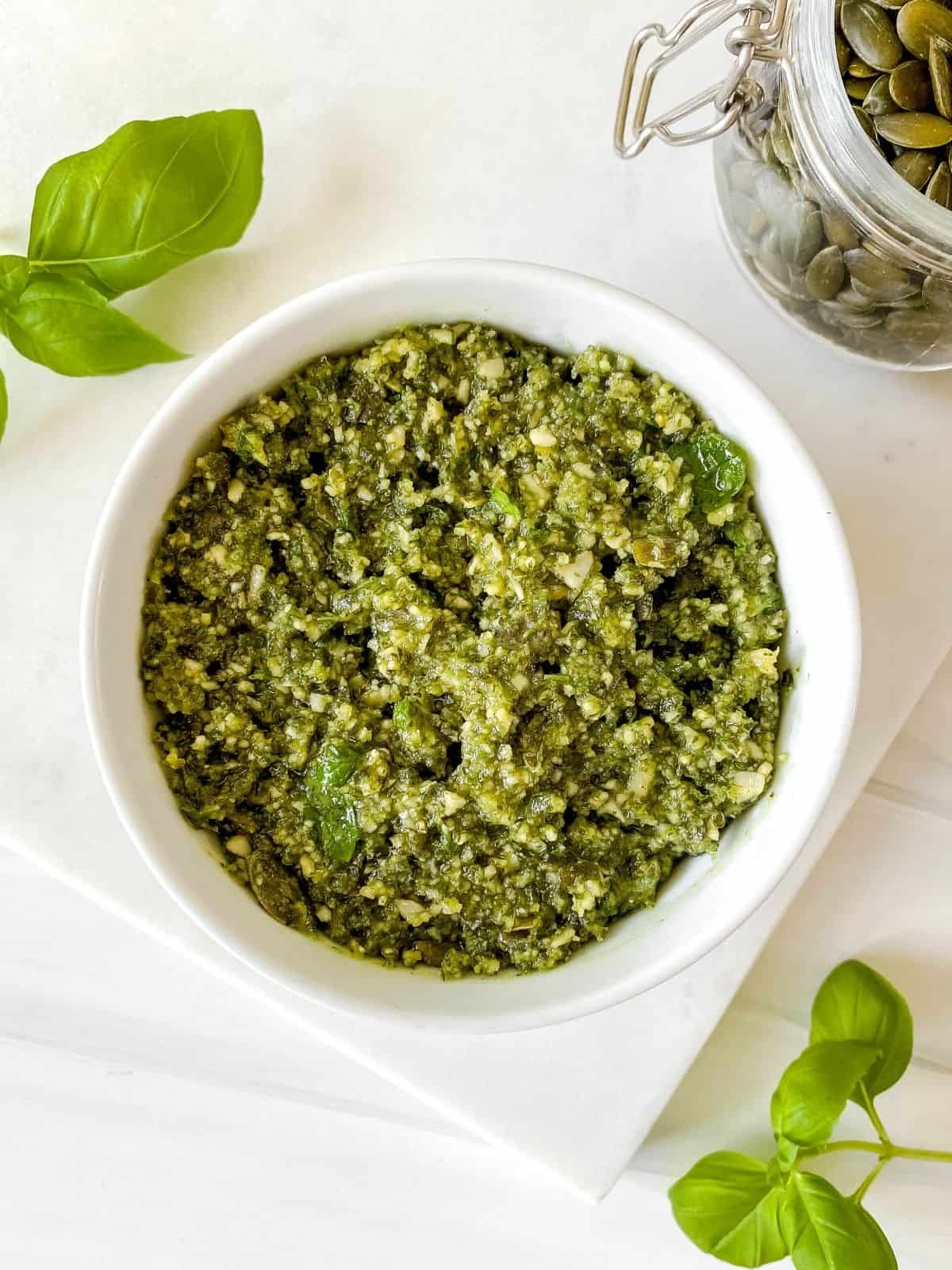
I blended fresh basil and mint with a little oil, garlic, and lemon.
The scent was bright, green, cleansing.
When I mixed the pesto into warm rice, the bowl felt alive.
Fresh.
Uplifting.
Eating it felt like opening a window in my mind.
Why It Helps
Mint clears mental fatigue.
Basil reduces stress.
Lemon brightens mood.
A bowl that tastes like clarity.
🫐 Recipe 21: Blueberry “Balance” Smoothie Bowl
Bright, smooth, grounding — perfect for emotional resets.
This recipe came during a moment of burnout.
I was working too much, sleeping too little, thinking too hard.
I needed something refreshing, something energizing without pressure.
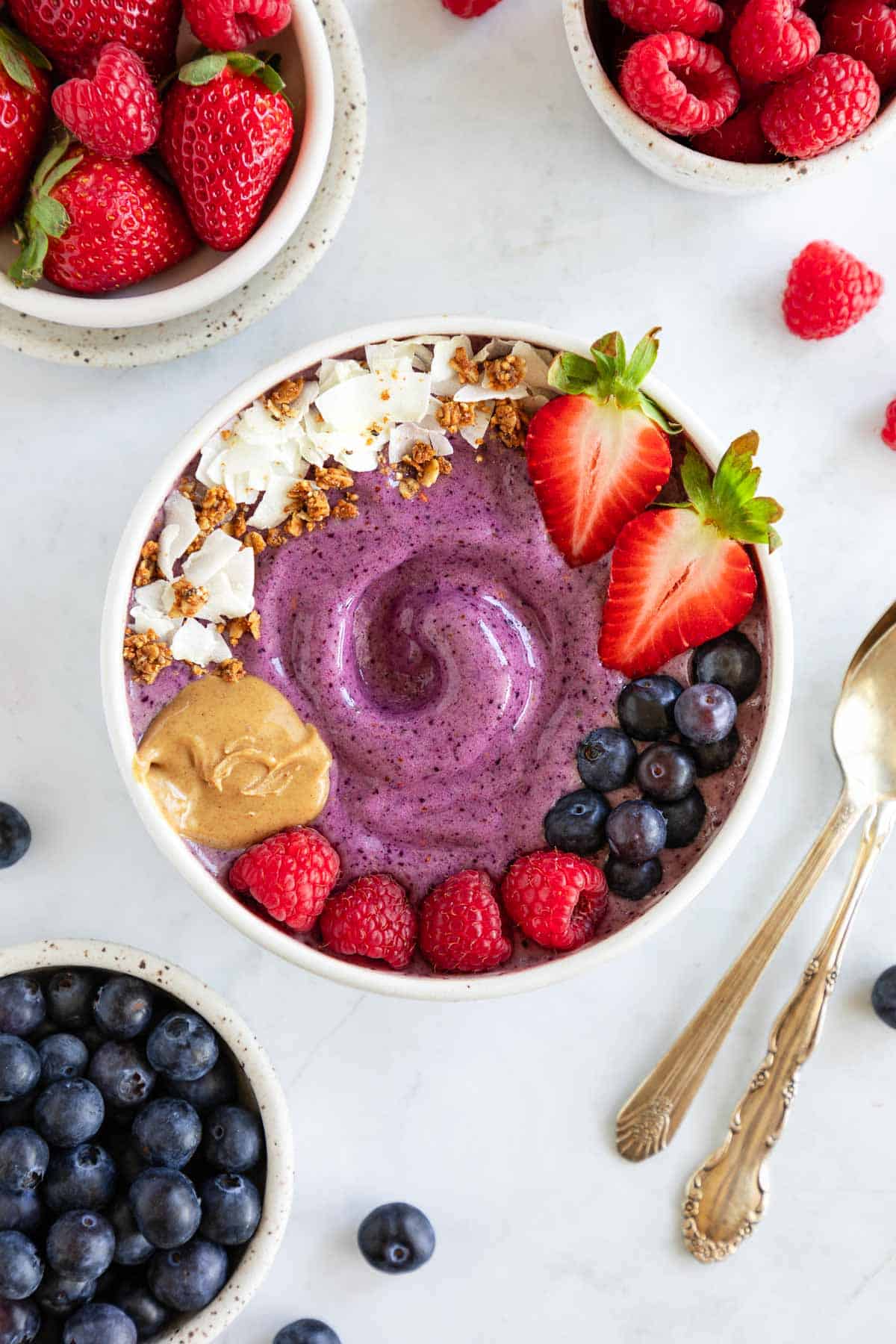
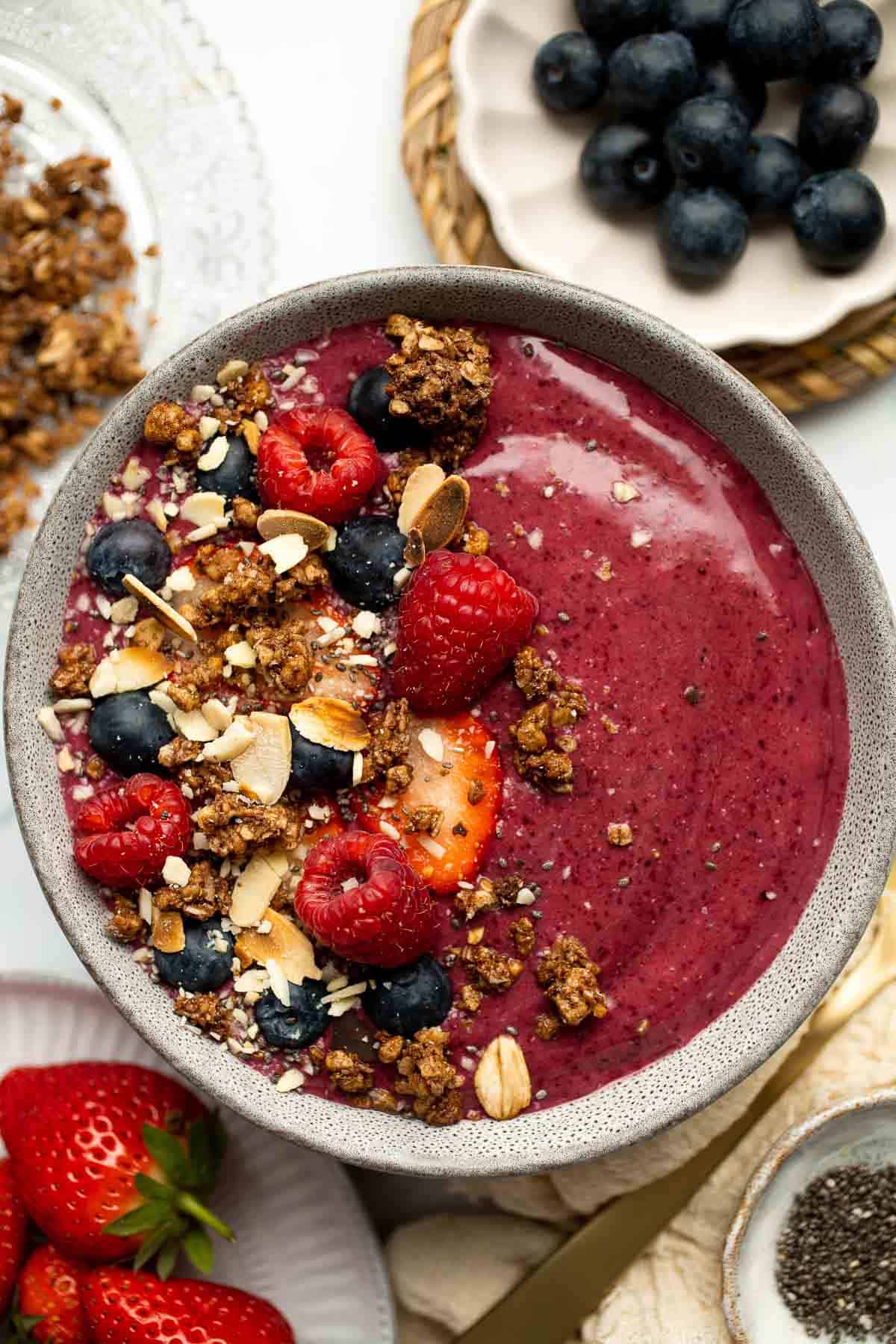
Blueberries blended into a cool, deep-purple swirl.
Frozen banana added creaminess.
A little yogurt added softness.
A few nuts on top added grounding texture.
The bowl looked like a calm evening sky—deep, soothing, beautiful.
The first spoonful felt like balance returning, little by little.
Why It Helps
Blueberries support brain health and memory.
Bananas soothe anxious nerves.
Cold foods help reduce emotional overheating.
A bowl for mental balance.
🥥 Recipe 22: Coconut-Date Warm Energy Bites
Soft, sweet, comforting — perfect when life feels exhausting.

These little bites became my emotional lifeline during days of low energy.
I wanted something small.
Something nourishing.
Something that tasted like kindness.
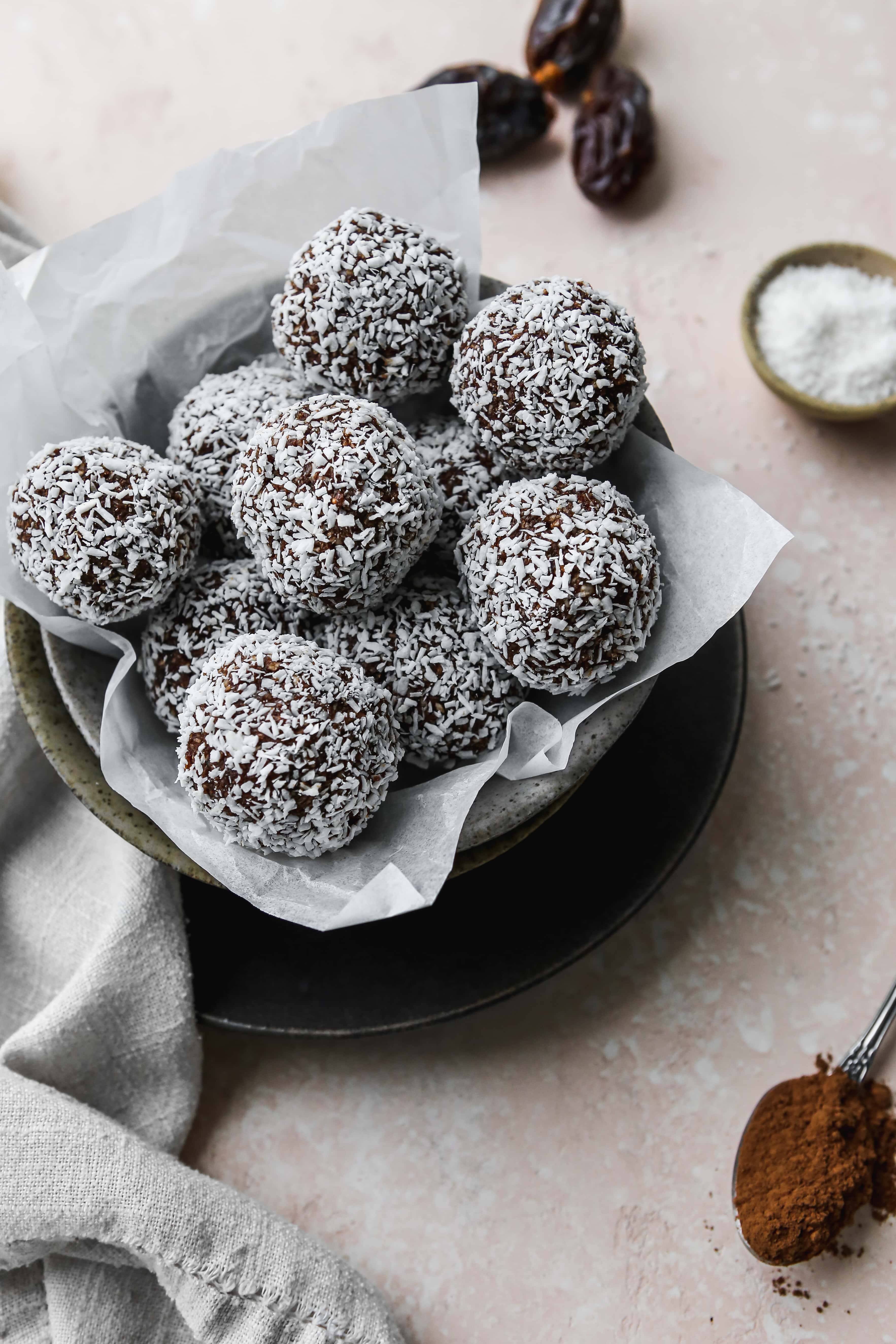
I blended soft dates with shredded coconut, a drizzle of honey, and a pinch of salt.
Rolled them gently into little spheres.
They looked like tiny moons—soft, pale, calming.
Eating one felt like a gentle lift.
Eating two felt like strength returning.
Why It Helps
Dates offer natural energy.
Coconut calms the body.
Honey soothes emotional fatigue.
Perfect for when you need encouragement in edible form.
🌙 A Quiet Ending — And a New Beginning
By now, your mind has traveled through warm soups, soft bowls, grounding grains, soothing drinks, and comforting flavors.
This wasn’t just a list of recipes—
it was a journey of emotional softness, warmth, and healing.
Cooking won’t cure anxiety.
It won’t erase sadness.
It won’t solve every problem.
But it will remind you of something important:
You are still here.
You are still capable of caring for yourself.
You are still someone who deserves warmth, nourishment, and peace.
Every meal in this article was created to bring you closer to that truth.
So the next time your mind feels heavy,
or your heart feels tired,
or your days feel overwhelming—
step into the kitchen.
Let the scent of garlic calm you.
Let the warmth of a bowl steady you.
Let the simple act of stirring, slicing, sipping, or tasting return you to yourself.
Because healing doesn’t always come in loud ways.
Sometimes it comes quietly—
in a humble bowl of soup,
a warm spoonful of porridge,
a soft bite of fruit,
a cup of calming tea.
And sometimes,
that is enough.
Related Posts

Simple Healthy Breakfast Recipes for a Happy Morning
Morning is a special time of the day. The world…

Best Foods to Lift Your Mood Fast
There are days when motivation disappears quietly. Nothing dramatic happens,…

Are McDonald’s Breakfast Classics Like the Egg McMuffin Really Healthy?
When you think of fast food, the words “healthy” and…