
Why Grits Are the Ultimate Mood Food
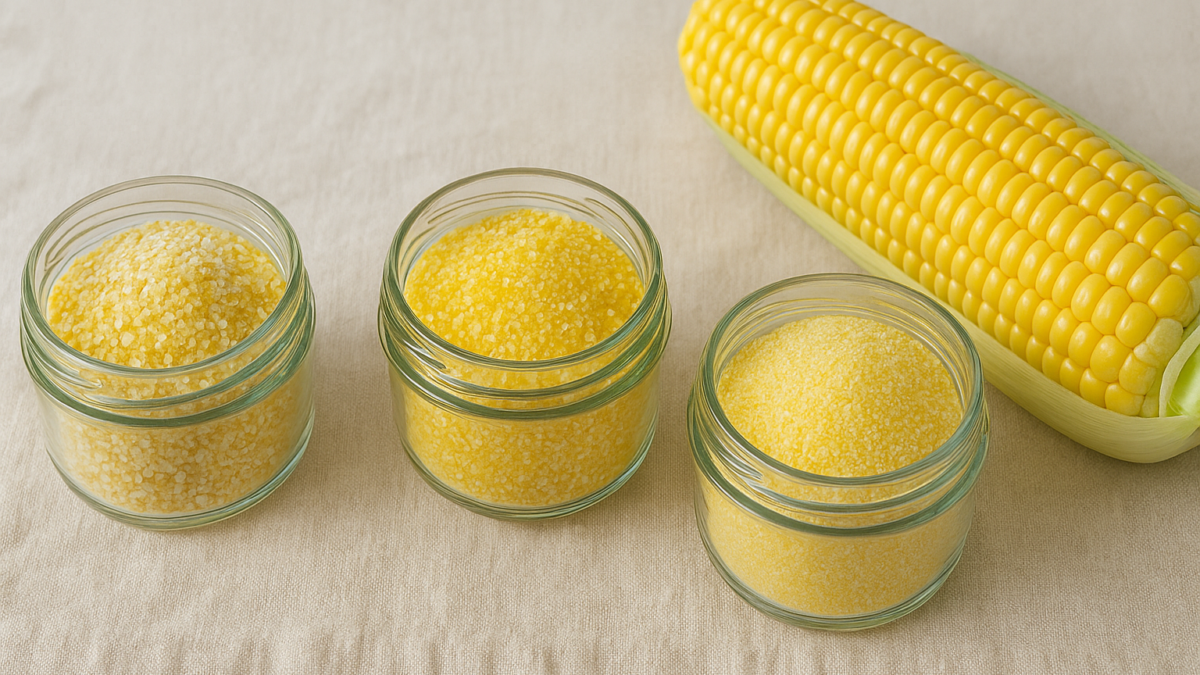
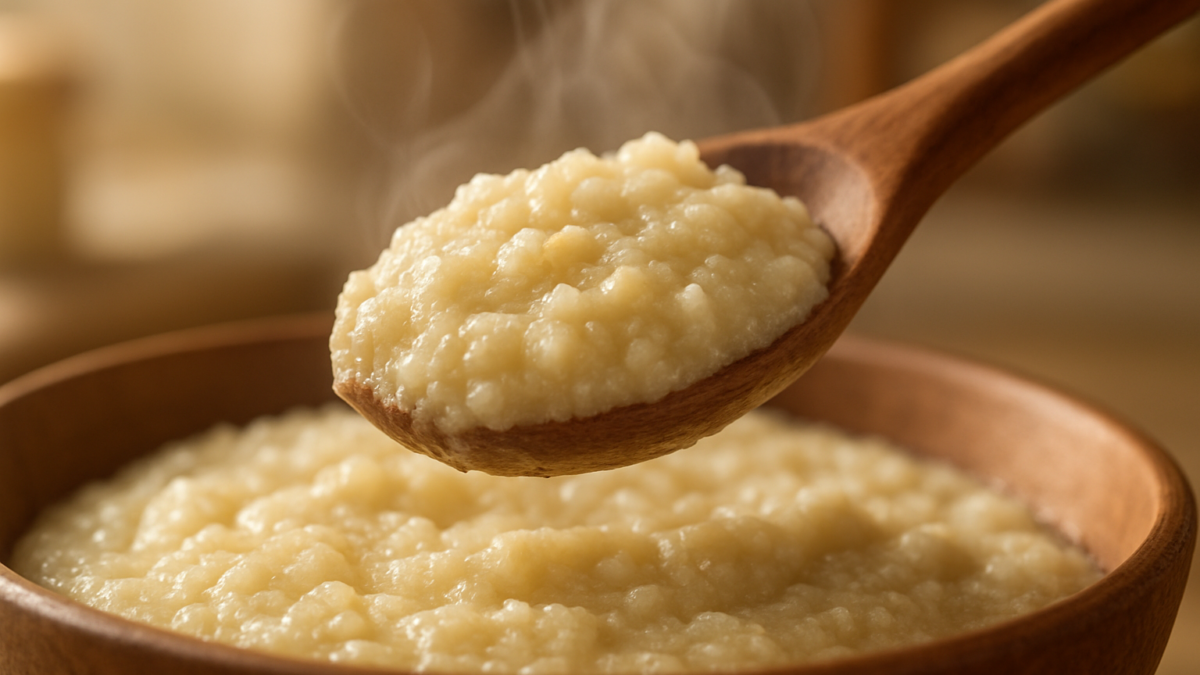
There is a specific kind of quiet that happens in my kitchen when I start a pot of grits. It is rhythmicu2014the slow stir, the thickening texture, the way the steam carries that subtle, earthy corn scent. Grits have this unique ability to adapt. When I am feeling low and need a hug in a bowl, they become a cheesy, decadent foundation for a runny egg. When I am rushing through a busy Tuesday, they serve as a simple, buttered side that grounds the rest of the meal. They do not demand much, but they give back exactly what you put into them.
Understanding Your Grits: Stone-Ground vs. Instant
Before you even grab a saucepan, you need to know what you are working with. Not all grits are created equal, and the texture you get depends entirely on how the corn was processed.
- Stone-Ground Grits: These are the gold standard. They take longer to cooku2014often 45 minutes to an houru2014but the texture is incredible. They remain slightly chewy and retain that deep, corn-forward flavor.
- Quick or Regular Grits: These are processed to remove the germ and hull, making them cook faster. They are smoother and less complex, but they are great when you are genuinely hungry and cannot wait an hour.
- Instant Grits: I generally avoid these. They tend to turn into a gummy paste because they are precooked and dehydrated. If you are in a pinch, they work, but they lack the integrity of the real deal.
The Golden Ratio for Creamy Results
If there is one mistake people make, it is being too stingy with the liquid or the fat. I follow a 4:1 ratio for stone-ground gritsu2014four cups of liquid to one cup of dry grits. For a richer bowl, I swap one cup of water for chicken stock or even whole milk. The secret is to whisk them into boiling liquid slowly to prevent clumps. Once they start to thicken, turn the heat down to the lowest setting. Put a lid on it and walk away. Stir every ten minutes or so, but do not hover. They need that time to soften properly.
Sensory Details: Knowing When They Are Done
You know grits are ready when they pull away from the sides of the pot and look glossy. When you drag your spoon through, it should leave a temporary trail. If they look too thick, add a splash of warm water or broth. If they look too loose, give them another five minutes. Taste them. If they feel gritty against your teeth, they need more time and liquid. This is not a race; the slow cook is where the magic happens.
My Favorite Mood-Based Variations
- The ‘Need a Hug’ Bowl: Sharp cheddar cheese, a heavy knob of salted butter, and a dash of hot sauce. Top it with a fried egg and cracked black pepper.
- The ‘Fresh & Light’ Side: Fold in fresh herbs like chives or parsley and a squeeze of lemon juice. Serve alongside roasted white fish.
- The ‘Sweet Start’: If you prefer breakfast grits, stir in a little maple syrup and toasted pecans. Treat them like oatmeal; the corn base pairs surprisingly well with sweet flavors.
Storage and Reheating Tips
Grits are famous for firming up in the fridge, becoming almost like a block of polenta. This is actually a feature, not a bug. To reheat, place the hardened grits in a saucepan over low heat. Add a splash of liquidu2014water, milk, or stocku2014and break them up with a whisk. They will return to their original creamy state within a few minutes. Do not try to microwave them without added liquid, or they will dry out into a rubbery mess.
Common Questions
Why are my grits always lumpy?
You likely dumped them into the water too fast or didn’t whisk vigorously at the start. Whisking constantly as you pour the dry grits into the boiling water is the only way to ensure a smooth base.
Can I use a slow cooker?
Yes, but you have to adjust the liquid. Use a 5:1 ratio and cook on low for about 3 to 4 hours. It is a great hands-off method for a brunch crowd.
Do I have to use butter?
Technically, no. But fat is a flavor carrier. If you are dairy-free, use a high-quality olive oil or a plant-based butter. The texture will be different, but it will still be comforting.
Related Posts

Easy Mango Dessert Recipes – Refreshing, Sweet & Tropical Treats
The Day I Fell in Love with Mango Desserts Every…

Homemade Hot Bacon Dressing Recipe – Sweet, Tangy & Perfect for Salads
Some recipes have a way of pulling you back into…

Nourish Your Soul: The Ultimate Guide to Sad Mood Comfort Food
When life throws you a curveball and a wave of…