
The Sunday Morning Ritual


There is a specific kind of quiet satisfaction found in a perfect Eggs Benedict. It is not a rush-out-the-door breakfast; it is a slow, intentional start to a Sunday where the coffee is still brewing and the sunlight is hitting the kitchen counter just right. I have spent years tinkering with the ratio of lemon to butter, and I have learned that the secret isn’t in fancy equipment, but in patience and temperature control.
The Components of a Great Benedict
A true Eggs Benedict is about contrast. You need the crunch of a toasted English muffin, the saltiness of high-quality Canadian bacon, the tender snap of a perfectly poached egg, and that rich, buttery blanket of hollandaise sauce. When you get all four in one bite, it hits a satisfying chord that few other dishes can match.
Mastering the Poached Egg
Many people find poaching eggs intimidating, but it really comes down to freshness. Use the freshest eggs you can find. The whites stay tighter when they are fresh. Bring a pot of water to a gentle simmer—not a rolling boil. Add a splash of white vinegar to help the whites coagulate. Use a fine-mesh sieve to strain off the watery part of the egg white before dropping it into the water. This one trick eliminates those wispy, messy egg-white strands that clutter the pot.
The Hollandaise Balancing Act
Hollandaise is simply an emulsion of egg yolks, butter, and acid. If the heat is too high, it scrambles. If it is too low, it won’t thicken. I recommend using a double boiler, or even a glass bowl set over a small saucepan of simmering water. Whisk your yolks and lemon juice until they double in volume, then add your melted butter in a very thin, slow stream. If the sauce gets too thick, a tiny drop of warm water will loosen it right back up.
Practical Tips for Success
- Temperature matters: Keep your English muffins toasted and warm. Cold bread will sap the heat from your eggs immediately.
- The Butter: Use unsalted butter so you have complete control over the seasoning.
- Substitutions: No Canadian bacon? Try smoked salmon for a Benedict Royale, or sautéed spinach for a Florentine. The technique remains exactly the same.
- Prep ahead: You can poach your eggs in advance. Drop them into a bowl of ice water, then reheat them by placing them in warm water for 60 seconds right before serving.
Storage and Reheating
Honestly, Eggs Benedict is best eaten the moment it is assembled. Hollandaise does not keep well; it tends to break or solidify in the fridge. If you must have leftovers, keep the components separate. Reheat the eggs in warm water and the bacon in a pan. Do not try to reheat the sauce; it is better to whip up a fresh, small batch.
Frequently Asked Questions
Why does my hollandaise sauce keep breaking?
Usually, the butter was added too quickly, or the heat was too intense. If it breaks, don’t panic. Put a fresh egg yolk in a clean bowl and slowly whisk the broken sauce into that new yolk, like you are making it from scratch.
How do I know when the egg is done?
The whites should be opaque and firm, but the yolk should still be soft to the touch. A three-minute timer is usually perfect for a large egg.
Can I make this for a crowd?
Yes, but focus on staging. Poach all your eggs ahead of time and keep them in a warm water bath. Toast all the muffins in the oven on a sheet pan so they are ready at the same time.
Ultimately, this dish is about slowing down. It is a reminder that breakfast can be a main event. Take your time, don’t rush the sauce, and enjoy the process as much as the meal itself.
Related Posts

Pad Thai for Evenings When Your Energy Is Low but You Still Need Dinner
There is a particular kind of hunger that shows up…

Soft Brown Butter Sweet Potato Donuts with Maple Glaze | Cozy Morning Treats
Some mornings arrive quietly—no rush, no noise—just a soft hush…
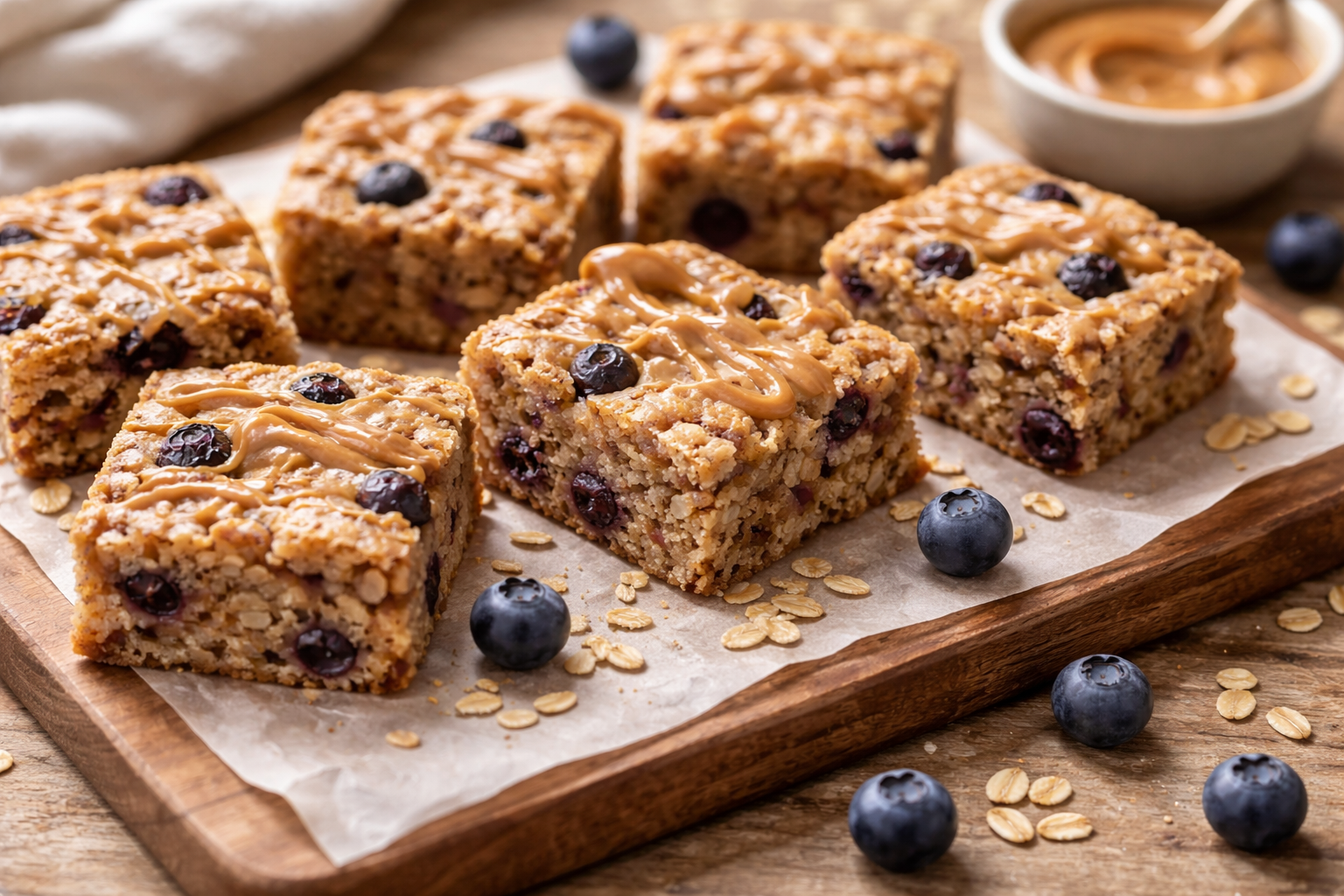
High Protein Peanut Butter Blueberry Oatmeal Bars | Healthy Mood-Boosting Snack
A recipe I keep coming back to when life feels…