
Why This is My Go-To Crispy Chicken


There is nothing quite like the sound of a perfectly cooked piece of chicken skin shattering under a fork. For years, I struggled with uneven cooking, ending up with burnt spots or, worse, rubbery skin. After testing dozens of methods, I have landed on this approach. It relies on a few simple principles: moisture control, consistent heat, and patience. You do not need fancy gadgets or expensive equipment to pull this off.
The Secret to Texture
The biggest enemy of crispy skin is water. If the chicken is damp when it hits the pan or oven, it steams rather than browns. I always take the time to pat the chicken completely dry with paper towels. If you have the space, leaving the chicken uncovered in the refrigerator for an hour before cooking does wonders for the skin. It dries out the surface, ensuring that when the heat hits, the skin turns golden and crisp almost instantly.
Ingredients You Will Need
- 4 bone-in, skin-on chicken thighs
- 2 tablespoons high-smoke point oil (grapeseed or avocado work well)
- 1 teaspoon kosher salt
- 1/2 teaspoon freshly cracked black pepper
- 1/2 teaspoon garlic powder
- 1/4 teaspoon smoked paprika
Step-by-Step Instructions
First, preheat your oven to 400°F (200°C). While that warms up, season your chicken thoroughly. Mix your spices in a small bowl and rub them into both sides of the meat, making sure to get under the skin if possible. Heat a cast-iron skillet over medium-high heat. Add your oil, and once it shimmers, place the chicken in the pan, skin-side down. Do not move it. Let it sear for 6 to 8 minutes. You want to see deep, golden brown edges forming.
Once the skin is crispy, flip the chicken and transfer the skillet to your preheated oven. Let it roast for another 15 to 20 minutes, or until the internal temperature reaches 165°F. Remove it from the oven and let it rest for at least 5 minutes. Resting is non-negotiable; it allows the juices to redistribute throughout the meat so every bite is succulent.
Substitutions and Variations
If you prefer using chicken breasts, watch the timing closely. They cook faster than thighs and can dry out if overdone. For a different flavor profile, swap the garlic powder for dried oregano or a pinch of lemon zest. If you are cooking for a crowd, you can use a sheet pan, but ensure you give each piece of chicken plenty of room. Crowding the pan creates steam, which is the exact opposite of what we want here.
Storage and Reheating Tips
Leftovers can be stored in an airtight container for up to three days. While the skin will lose some of its initial crunch, it is still delicious. To reheat, avoid the microwave at all costs. Instead, place the chicken back in a 350°F oven on a wire rack for about 10 minutes. This helps the heat circulate and revives the texture of the skin.
Frequently Asked Questions
Why did my chicken skin stick to the pan?
Usually, this happens because you tried to flip the chicken too early. The skin will naturally release from the pan once it is properly browned and crispy. If you pull it too soon, it will tear.
Can I use butter for frying?
I advise against it for the searing stage. Butter has milk solids that burn quickly at the high heat required for crispy skin. Use a high-smoke point oil for the sear, and if you want a buttery finish, toss a knob of butter into the pan during the last two minutes of cooking.
How do I know when it is fully cooked without a thermometer?
While I strongly suggest a meat thermometer for accuracy, you can check by piercing the thickest part of the thigh with a knife. The juices should run clear, not pink. If you see any red or pink, it needs a few more minutes.
Related Posts

The Art of the Slow Morning: Why Eggs Benedict Is the Ultimate Mood Food
The Sunday Morning RitualA serving idea for the final plate.A…
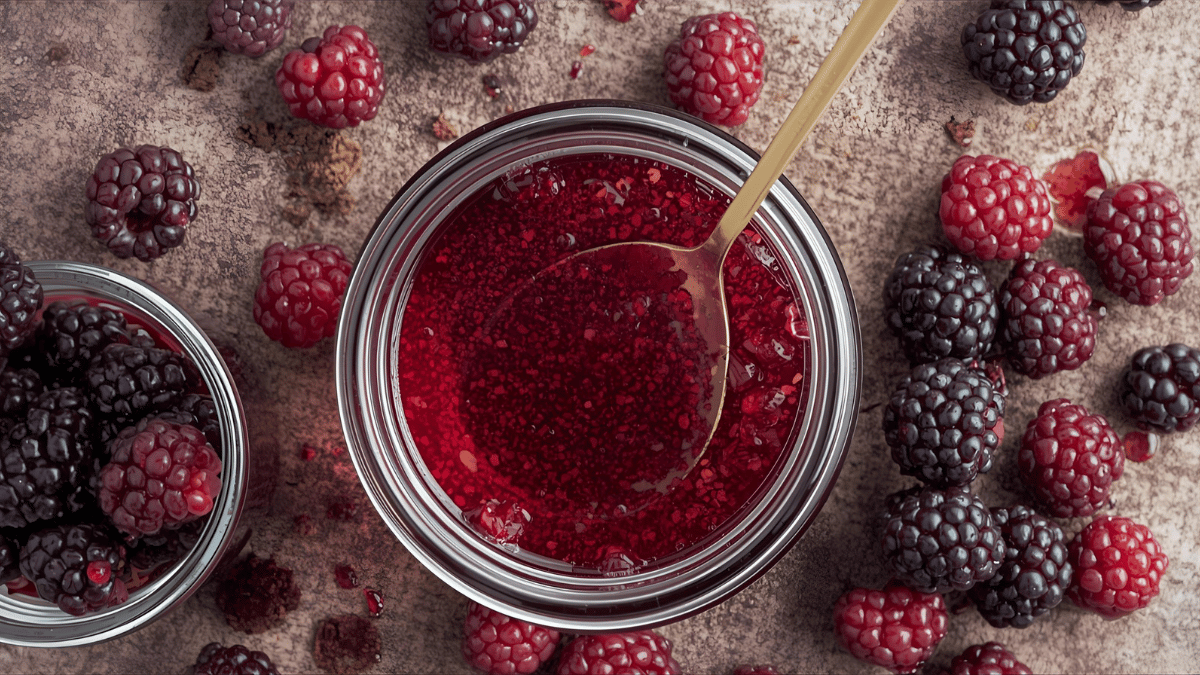
Homemade Blackberry Syrup Recipe – Sweet, Fresh, and Perfect for Pancakes or Desserts
There’s something about the deep, inky purple of blackberries that…
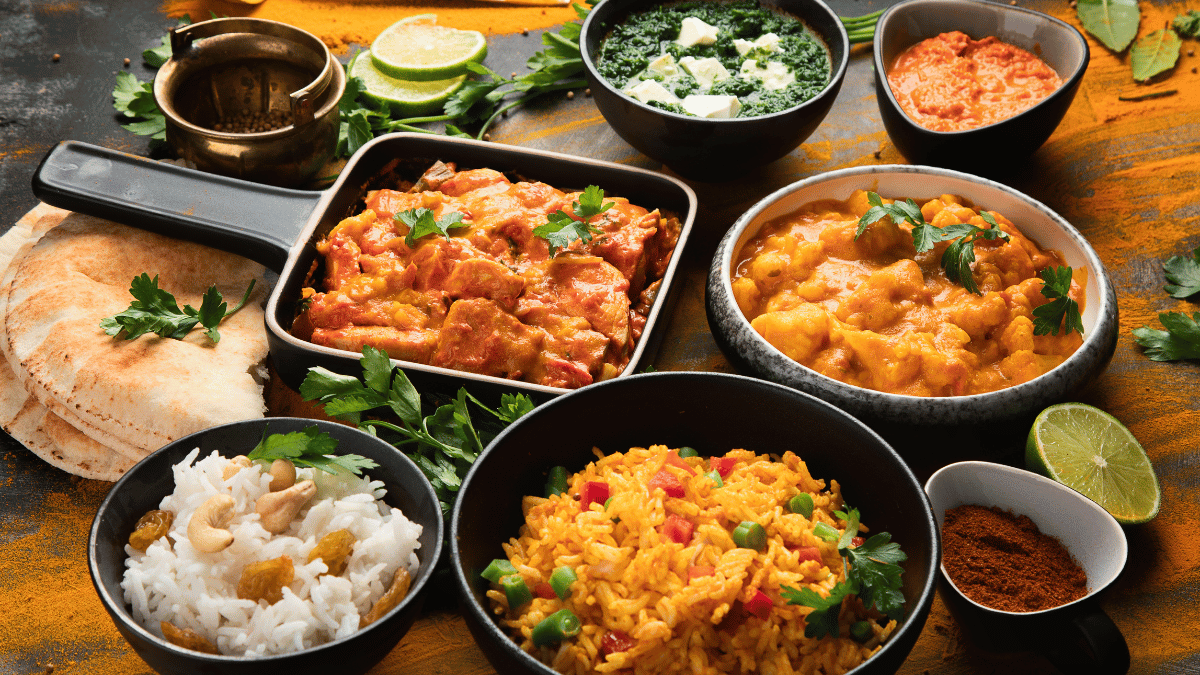
Is Indian Food Healthy? A Deep Dive into Nutrition, Flavor, and Balance
If you’ve ever walked into an Indian restaurant or been…