
Why We Crave Biscuits
There is a specific kind of mood that calls for a biscuit. It is not necessarily the mood for a complex cake or a sourdough loaf that demands hours of your attention. It is the mood for something immediate, warm, and grounding. A biscuit is humble, yet it feels like a genuine accomplishment when it pulls apart in steam-filled layers. When the rain is hitting the window or the week has been long, the act of rubbing cold butter into flour is one of the most effective ways to slow down your heart rate.
The Practical Science of the Flaky Layer
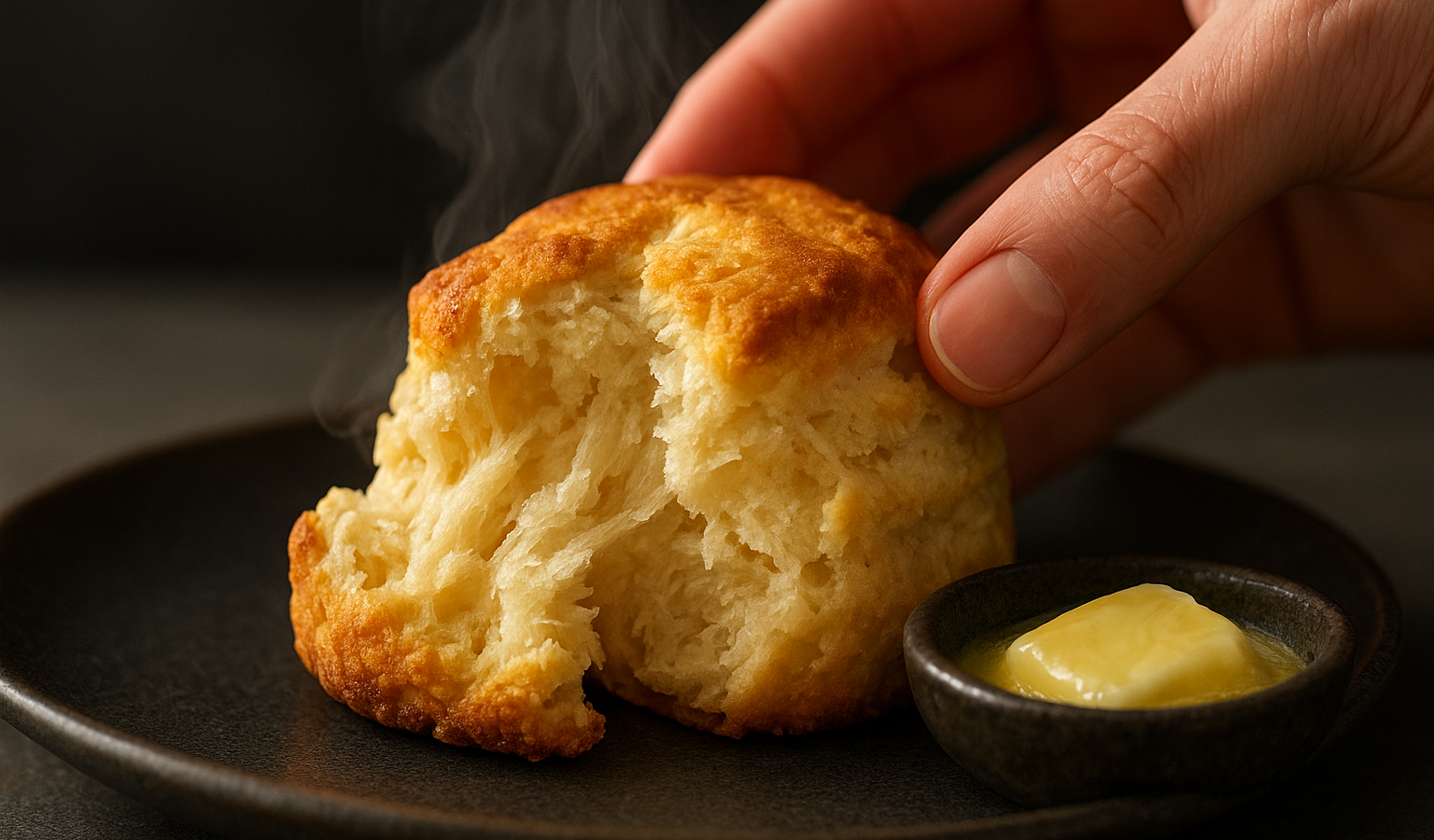
The secret to a good biscuit isn’t a fancy ingredient list; it is temperature. If you take anything away from this, let it be this: keep your butter frozen. I like to grate my butter using a box grater directly into the flour mixture. This creates small, uniform ribbons of fat that don’t melt away before the oven heat hits them. When those cold pockets of fat finally hit the oven’s heat, they release steam, creating those distinct, airy layers we all look for.
The Basic Ratio
- 2 cups all-purpose flour
- 1 tablespoon baking powder
- 1 teaspoon salt
- 6 tablespoons very cold, unsalted butter
- 3/4 cup cold buttermilk
Start by whisking your dry ingredients. Add the grated butter and use your fingers to toss it until it is coated in flour. Pour in the buttermilk and stir just until a shaggy dough forms. Do not overwork it. If you knead it like bread, you will end up with a hockey puck instead of a biscuit.
Sensory Details and Texture
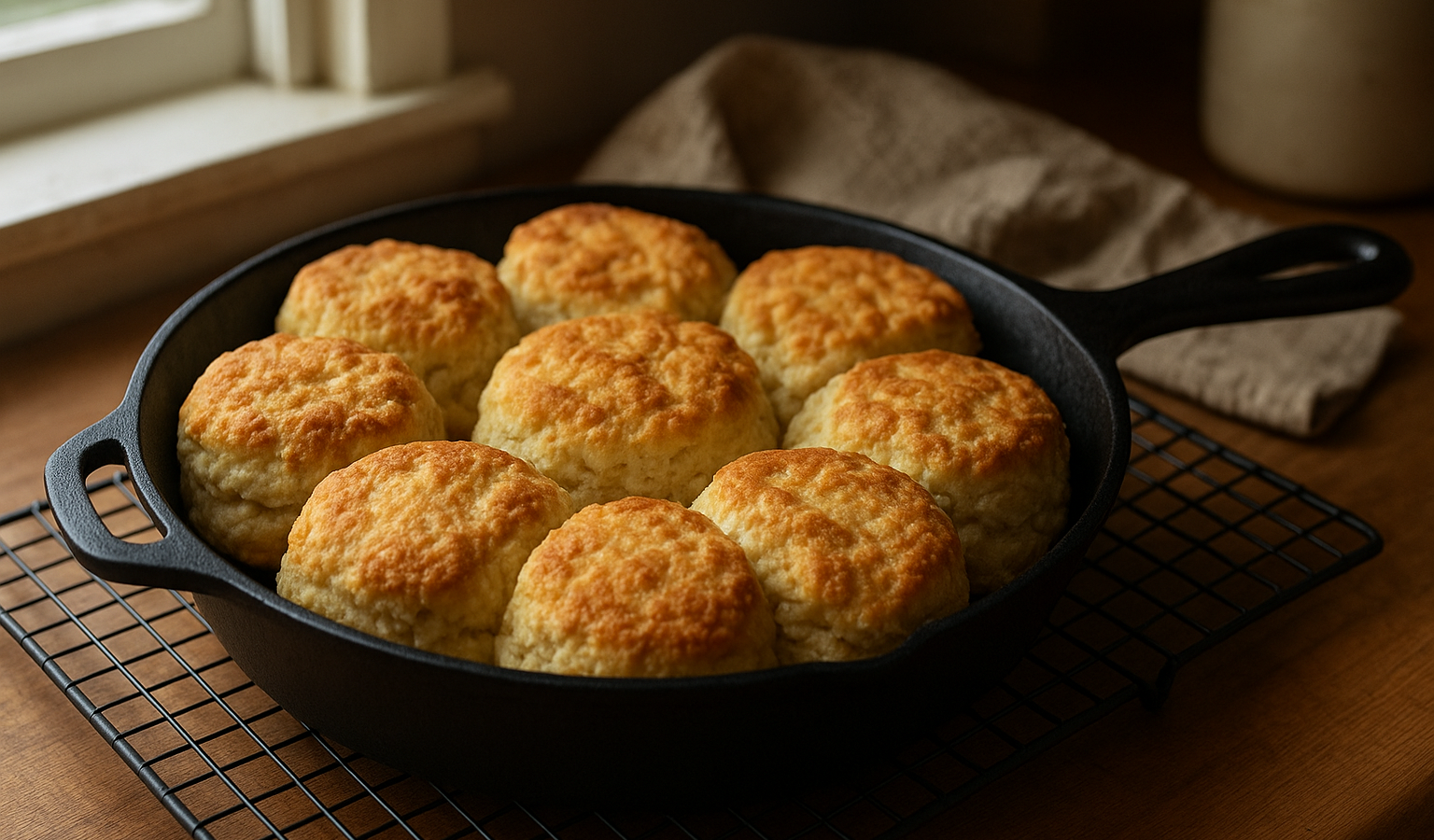
When you pull the pan out of the oven, you want a golden-brown top that gives a little crunch when you press it. The sides should be high and proud. When you break one open, the inside should be soft, almost cloud-like, and slightly damp. This is the moment to add a smear of salted butter or a drizzle of honey. The contrast between the salty, crisp exterior and the tender interior is where the satisfaction lives.
Flexible Substitutions
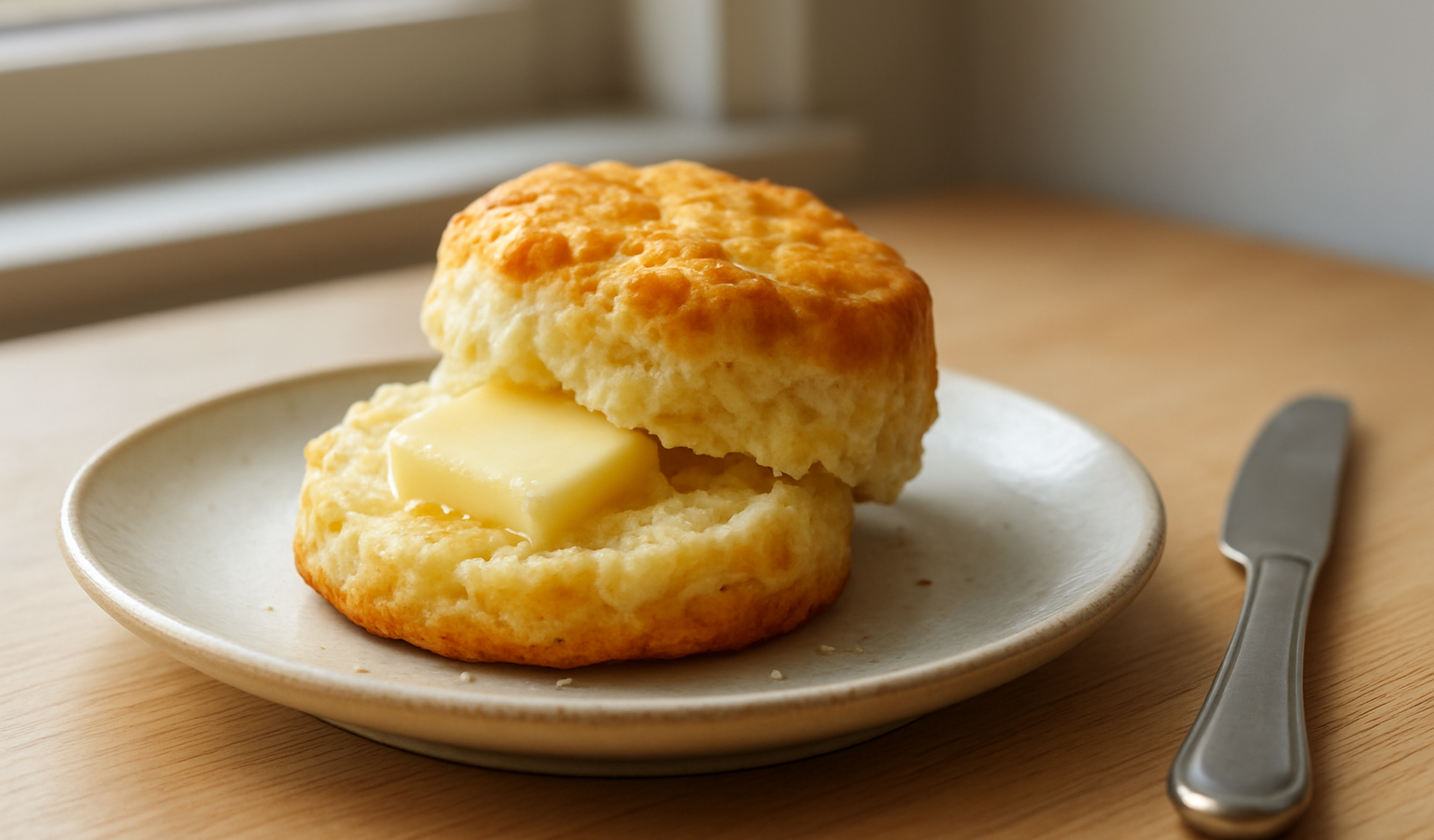
If you don’t have buttermilk, don’t run to the store. You can make a perfectly fine substitute by adding a tablespoon of lemon juice or white vinegar to a cup of whole milk. Let it sit for five minutes until it thickens. If you want a savory kick, stir in a handful of sharp cheddar or some chopped chives. Just be sure to keep everything cold. Even your flour can benefit from a stint in the freezer for twenty minutes before you start.
Storage and Reheating
Biscuits are best eaten within an hour of coming out of the oven. However, they do keep. Store leftovers in an airtight container at room temperature for two days. To reheat, wrap them in foil and place them in a 350-degree oven for about 8 to 10 minutes. Avoid the microwave, which turns the interior gummy and ruins the crust.
FAQ
Why are my biscuits dense?
Usually, this happens because the butter got too warm before baking or the dough was kneaded too much. Treat the dough gently.
Can I freeze the raw biscuits?
Yes. Cut them out, place them on a tray in the freezer until solid, then store them in a bag. You can bake them directly from frozen; just add 3-5 minutes to the baking time.
Does the type of flour matter?
All-purpose flour works perfectly for most kitchens. If you want them extra light, you can swap half for cake flour, but it is not strictly necessary for a good result.
Related Posts

Mini Beef Wellington Bites – Mood-Based Comfort Food for Cozy Celebrations
Some recipes are not meant for rushed days. They are…

Homemade Sopaipillas: Your Guide to Perfectly Puffed Fried Dough
Homemade Sopaipillas: Your Guide to Perfectly Puffed Fried Dough There…
Easy Slow Cooker Ribs Recipe with Brown Sugar | Tender & Flavorful Homemade Ribs
There’s nothing quite like the smell of ribs cooking slowly…