
Why We Reach for a Muffin
We have all been there. It is a Tuesday morning, the house is quiet, or perhaps it is a rainy afternoon, and the only thing that feels right is a warm muffin. There is a psychological comfort in the individual portion size of a muffin; it feels like a gift you give yourself. Unlike a loaf of cake that requires slicing and commitment, a muffin is a self-contained unit of warmth. It is portable, reliable, and humble.
When I talk about the muffin mood, I am talking about that specific craving for a contrast between a slightly crisp, golden top and a soft, tender interior. It is the perfect bridge between breakfast and dessert, making it the most versatile item in your kitchen.
The Science of the Perfect Crumb
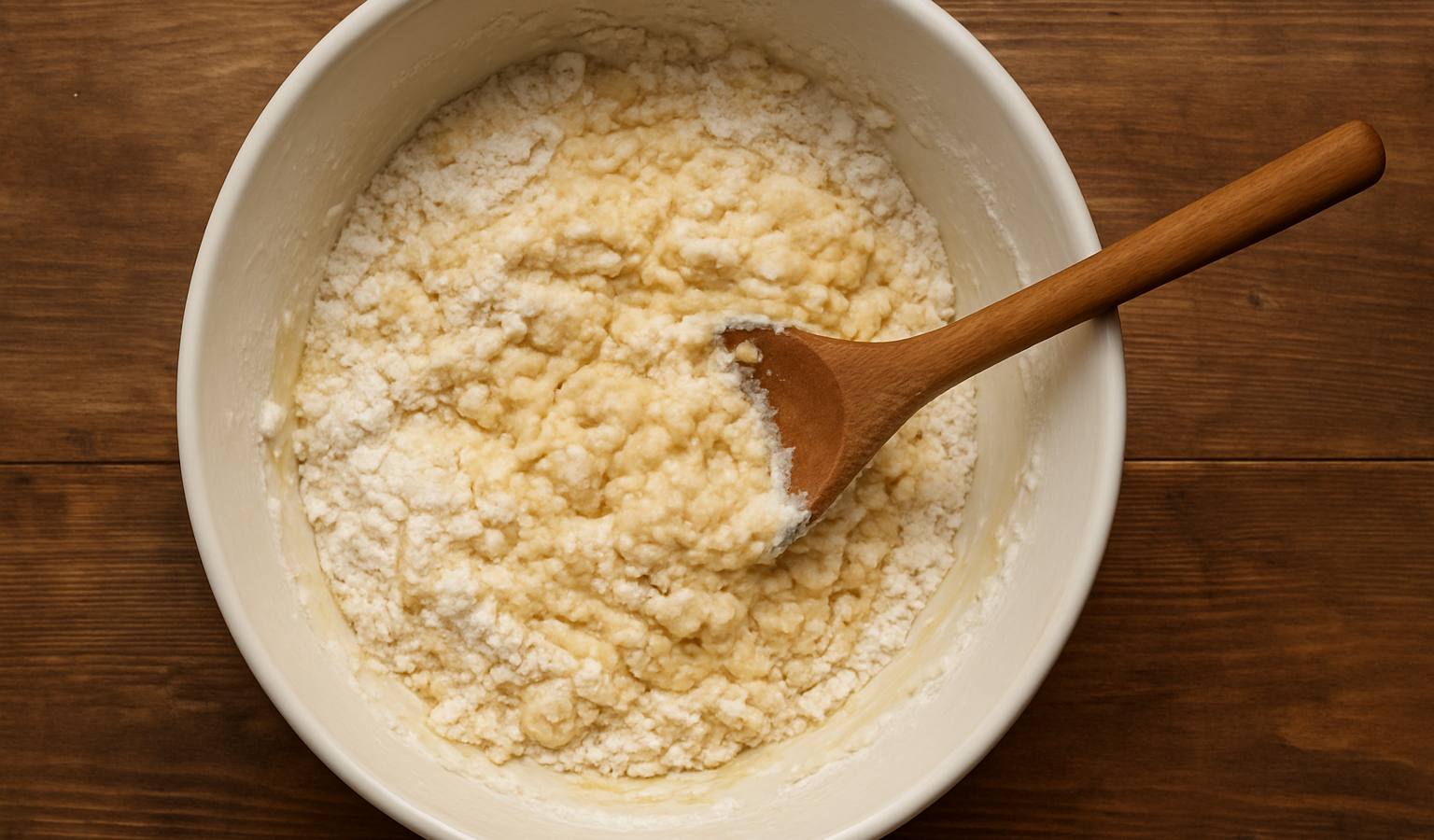
The biggest mistake most home bakers make is over-mixing the batter. I know it is tempting to keep stirring until the batter is silky smooth, but that is the enemy of a light muffin. When you over-mix, you develop the gluten in the flour, which turns your muffin from a tender, cake-like treat into a tough, chewy roll. You want to mix your wet and dry ingredients just until they are combined. If you see a few streaks of flour, stop. Those lumps will disappear during the baking process, and your patience will be rewarded with a much lighter texture.
Mastering the Basic Batter

This is a flexible, master-ratio recipe that works for almost any flavor profile. You can swap out the mix-ins based on what is in your pantry or how you are feeling.
- 2 cups all-purpose flour
- 1/2 cup granulated sugar
- 1 tablespoon baking powder
- 1/2 teaspoon salt
- 1 cup whole milk (or buttermilk for extra tang)
- 1/3 cup melted butter or neutral oil
- 1 large egg
- 1 teaspoon vanilla extract
- 1 cup mix-ins (blueberries, chocolate chips, or nuts)
Preheat your oven to 375u00b0F. Whisk your dry ingredients in a large bowl. In a separate bowl, whisk the wet ingredients. Pour the wet into the dry, add your mix-ins, and fold gently with a rubber spatula. Scoop into a greased muffin tin and bake for 18-22 minutes.
Flexible Substitutions
If you find yourself short on ingredients, do not panic. Greek yogurt is a fantastic substitute for milk, providing a richer, denser crumb. If you are out of white sugar, light brown sugar adds a lovely caramel note and keeps the muffins moist for longer. For fruit, frozen berries are often better than fresh because they do not bleed into the batter as much; just toss them in a tablespoon of flour before folding them in to keep them suspended.
Storage and Reheating Tips
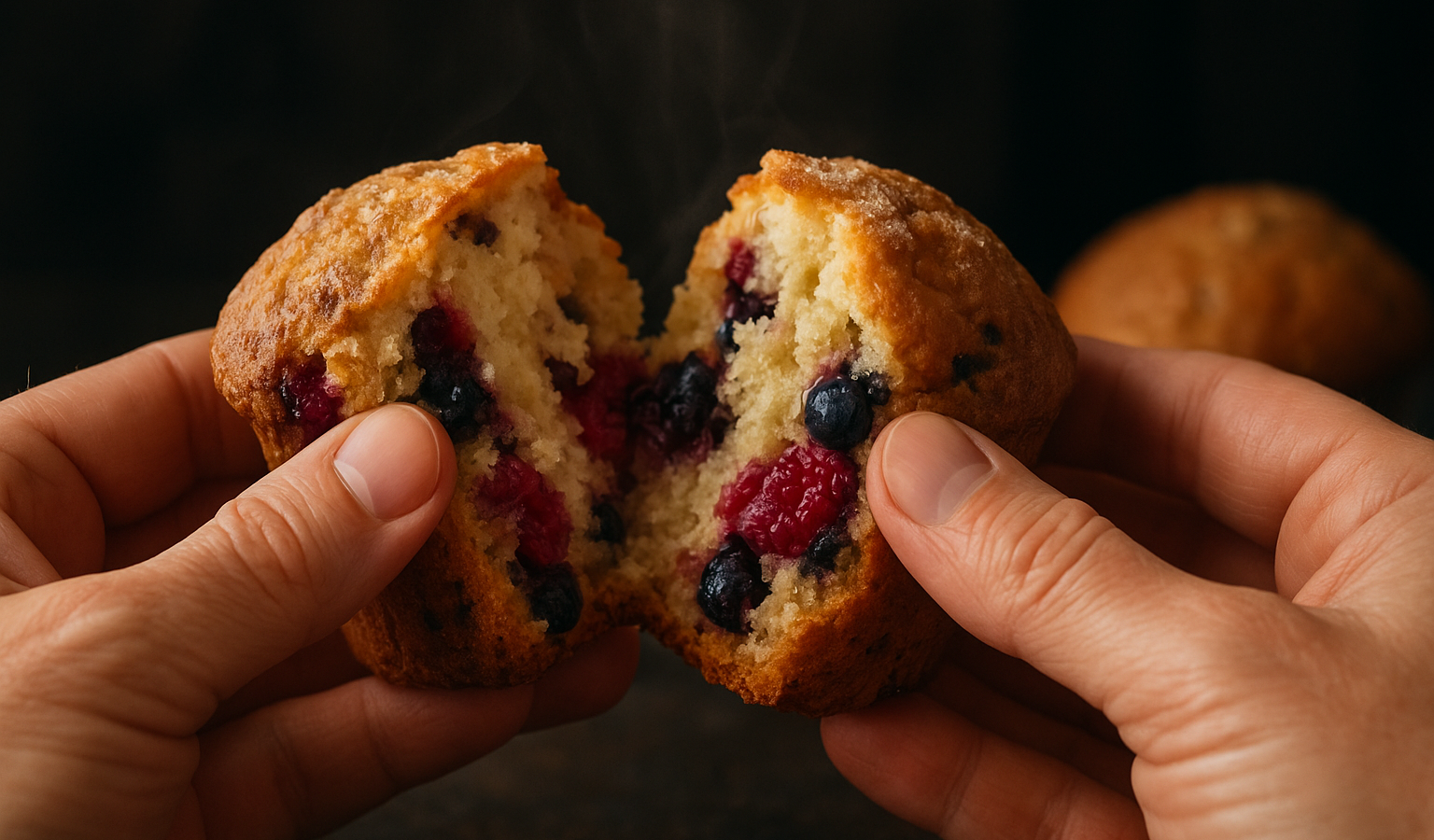
To keep your muffins tasting fresh, store them in an airtight container lined with a paper towel. The paper towel helps absorb excess moisture so the tops do not get soggy. If you plan to eat them within two days, keep them at room temperature. For longer storage, freeze them individually wrapped in plastic. When you are ready for a muffin moment, pop the frozen muffin into the microwave for 30 seconds or a 350u00b0F oven for 10 minutes.
Frequently Asked Questions
Why did my muffins sink in the middle?
This usually happens if you open the oven door too early, causing a temperature drop, or if your baking powder is old and has lost its lifting power. Always check your leavening agent dates.
Can I make these vegan?
Yes. Use a flax egg (1 tablespoon ground flaxseed meal mixed with 3 tablespoons water) and plant-based milk with a teaspoon of apple cider vinegar to mimic buttermilk.
How do I get that high, bakery-style dome?
Start your oven at a higher temperature (425u00b0F) for the first 5 minutes of baking, then lower it to 375u00b0F for the remainder. This burst of heat helps the batter rise quickly before the structure sets.
Related Posts

Easy Recipes for Thrifty Cooking: Delicious Budget-Friendly Meals for Every Day
In today’s world, where grocery prices seem to rise every…

Is Indian Food Healthy? A Deep Dive into Nutrition, Flavor, and Balance
If you’ve ever walked into an Indian restaurant or been…

Wrap Up Your Hunger: Delicious & Healthy Wrap Snacks for Every Mood
Feeling peckish? We've all been there – that mid-afternoon slump…